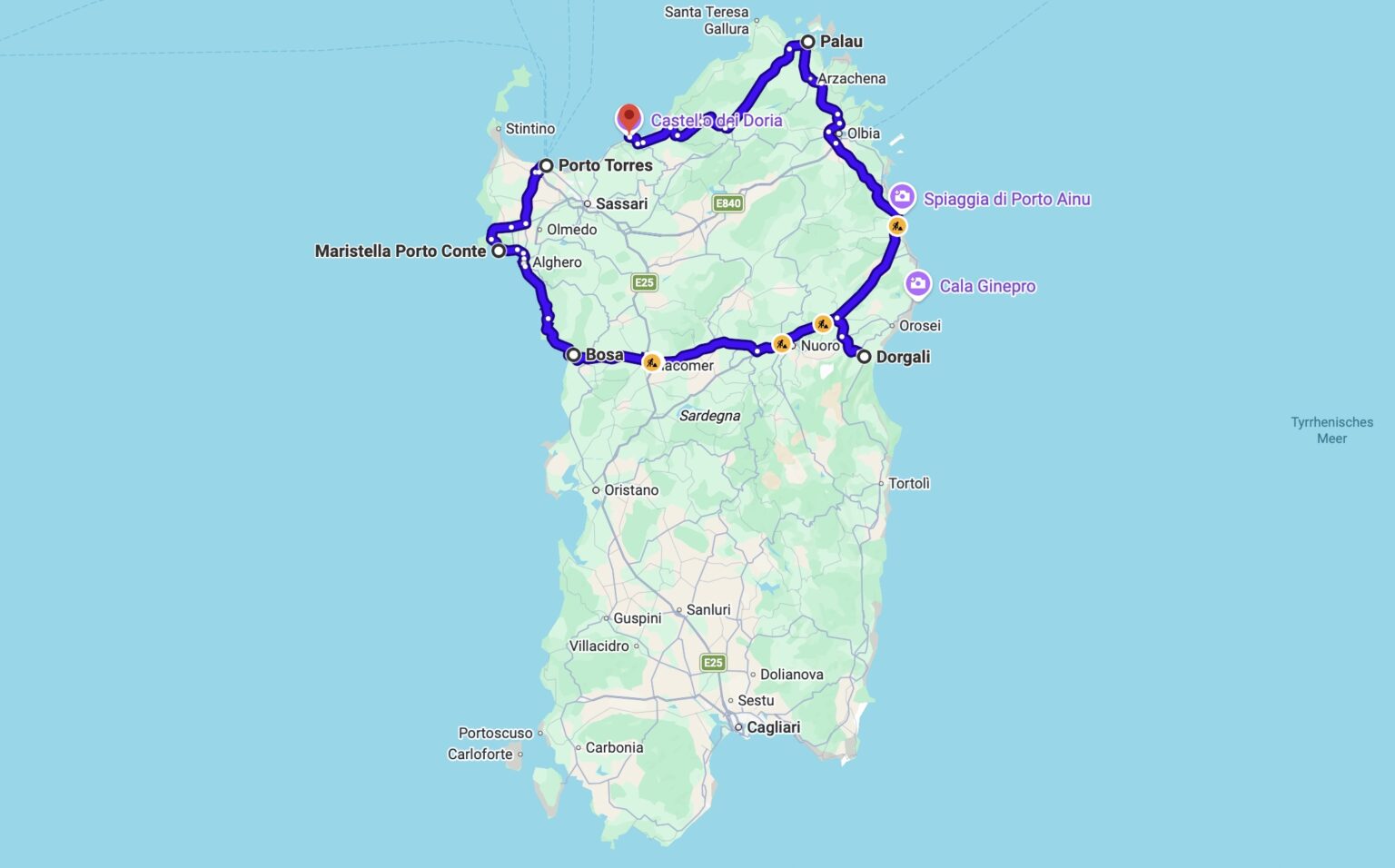
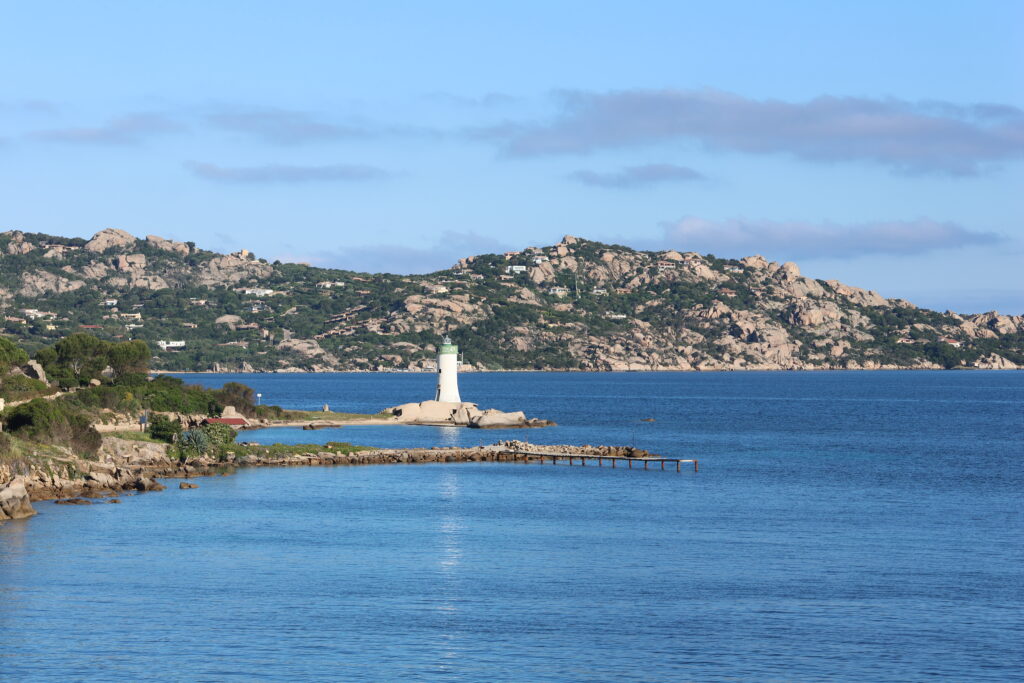
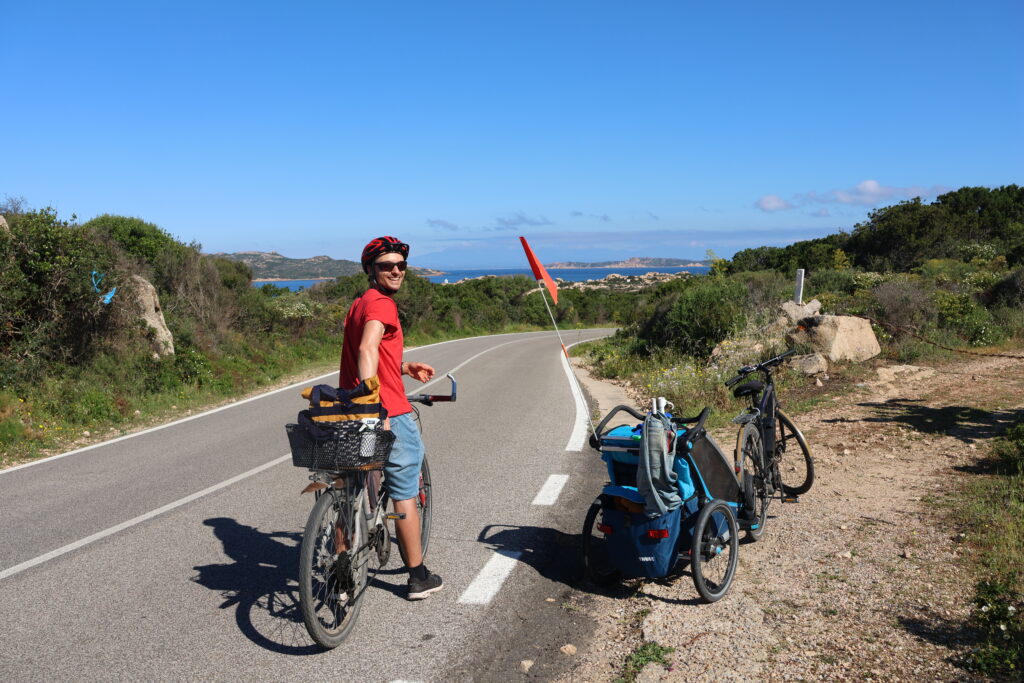
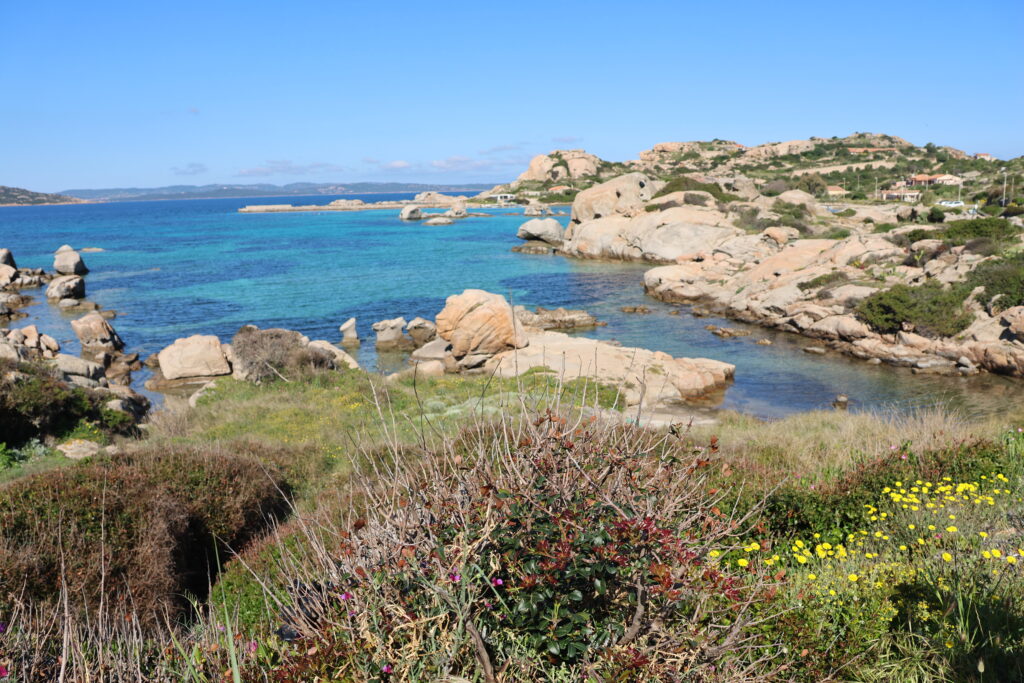
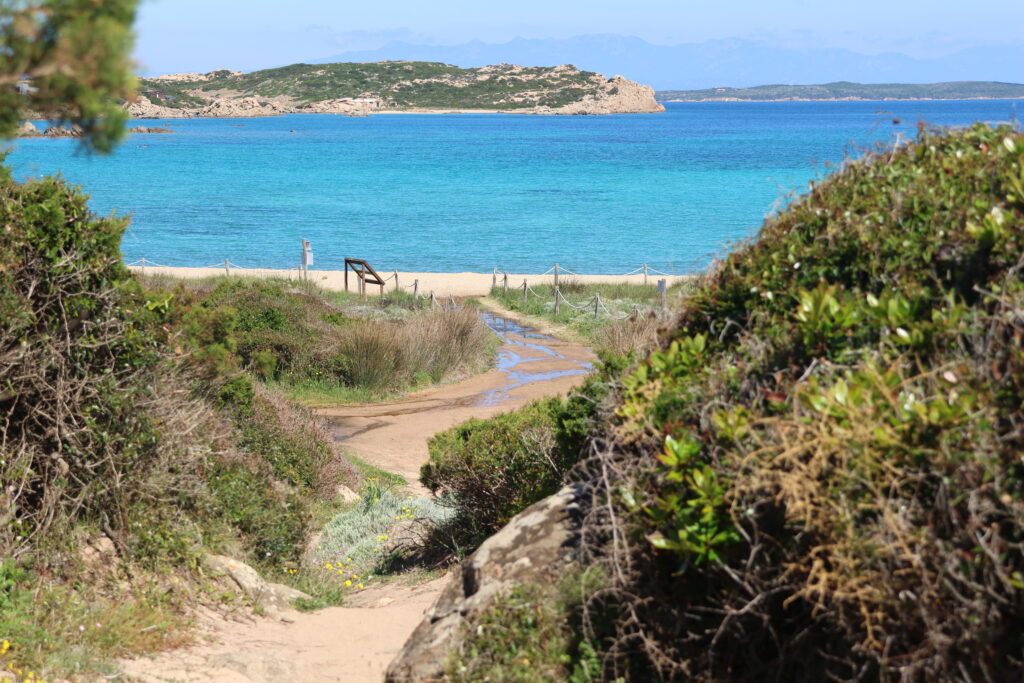
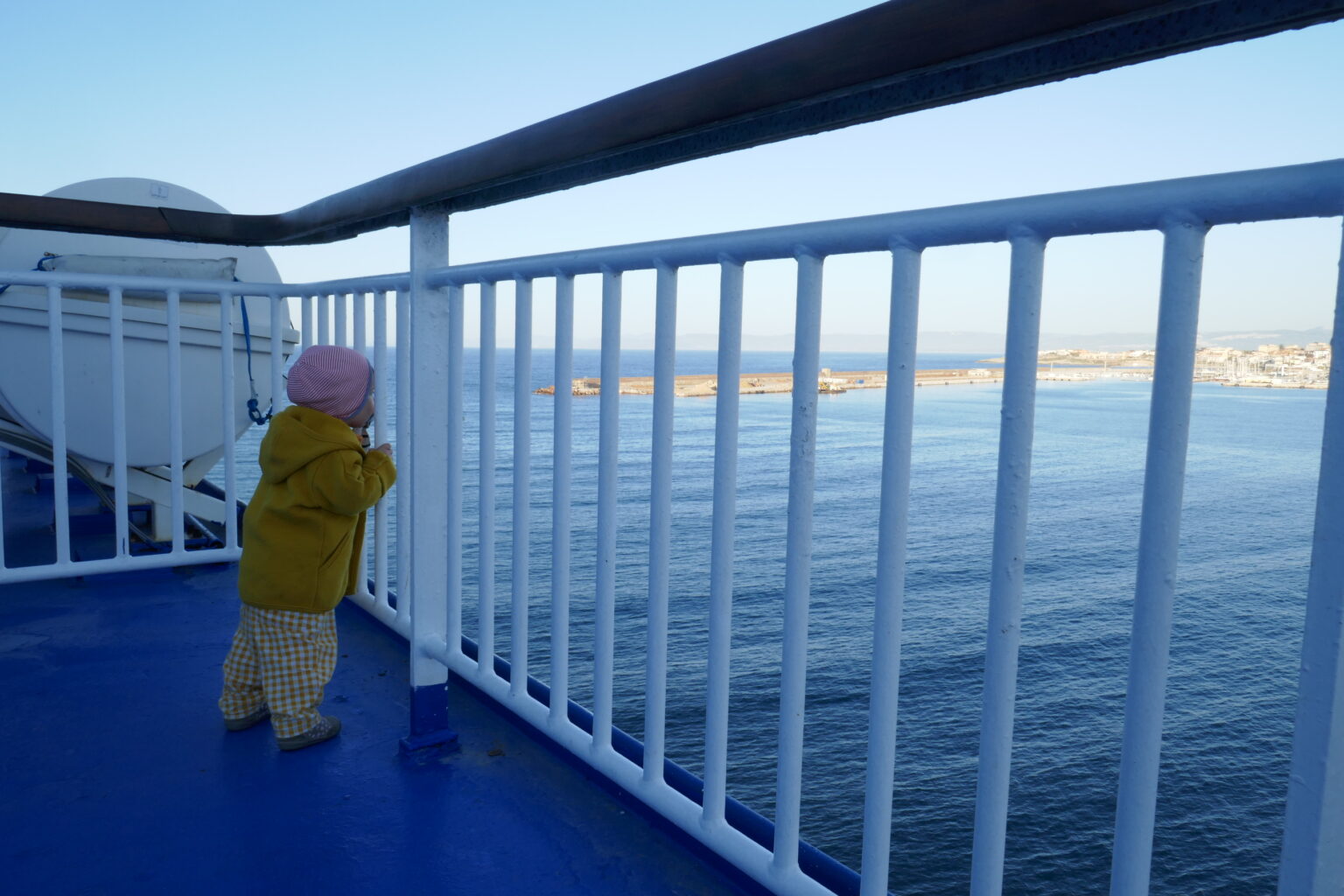
Our big family trip this year is to Sardinia. We took the overnight ferry from Genoa to Porto Torres.
Alghero
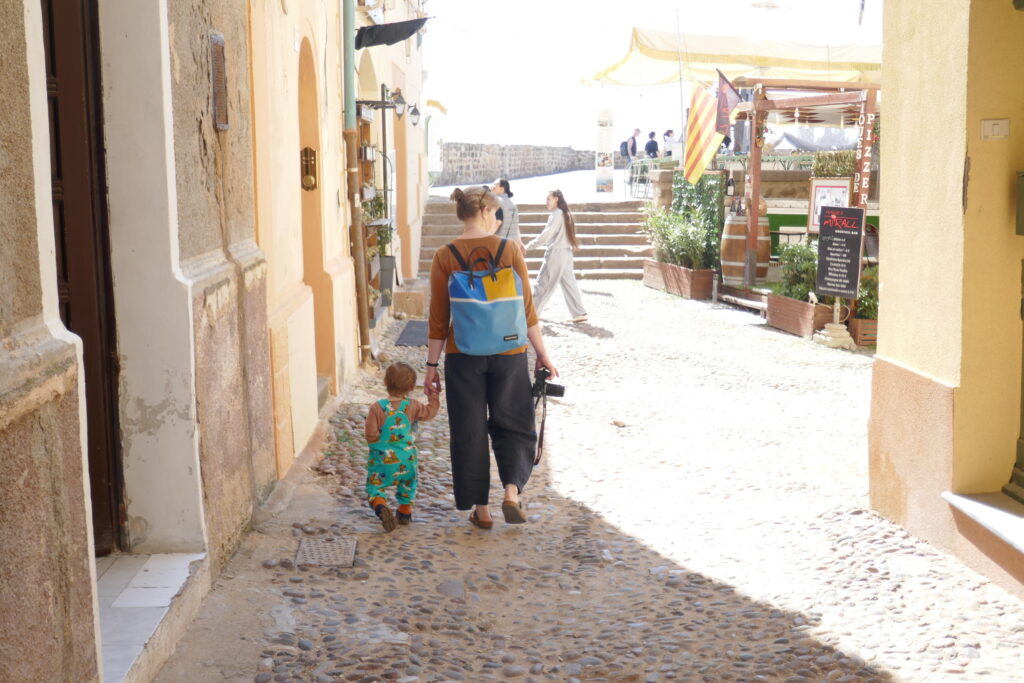
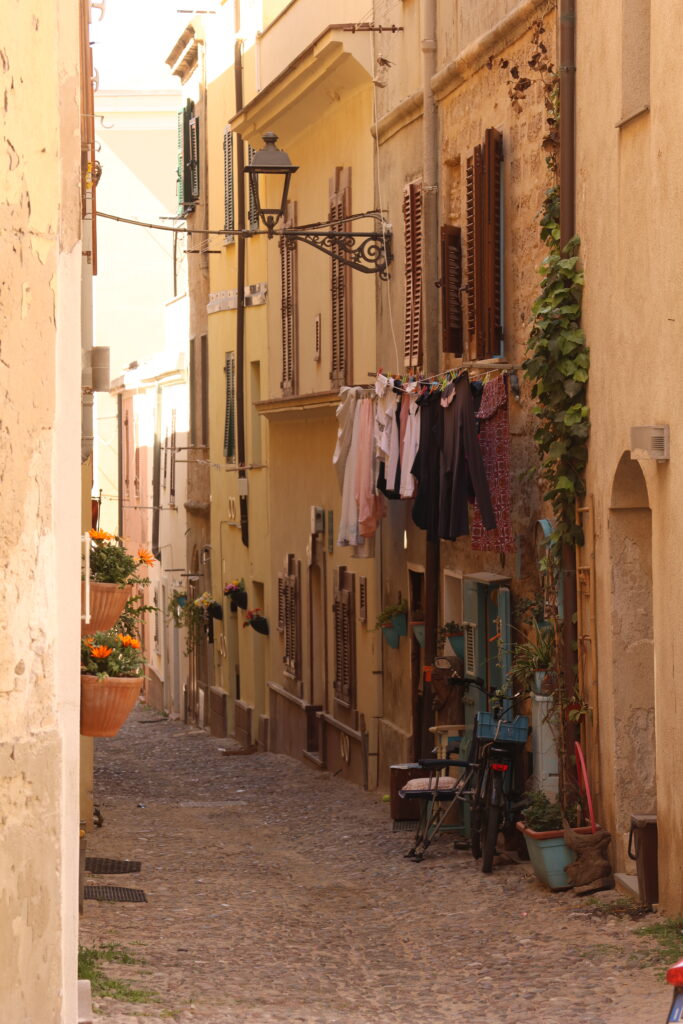
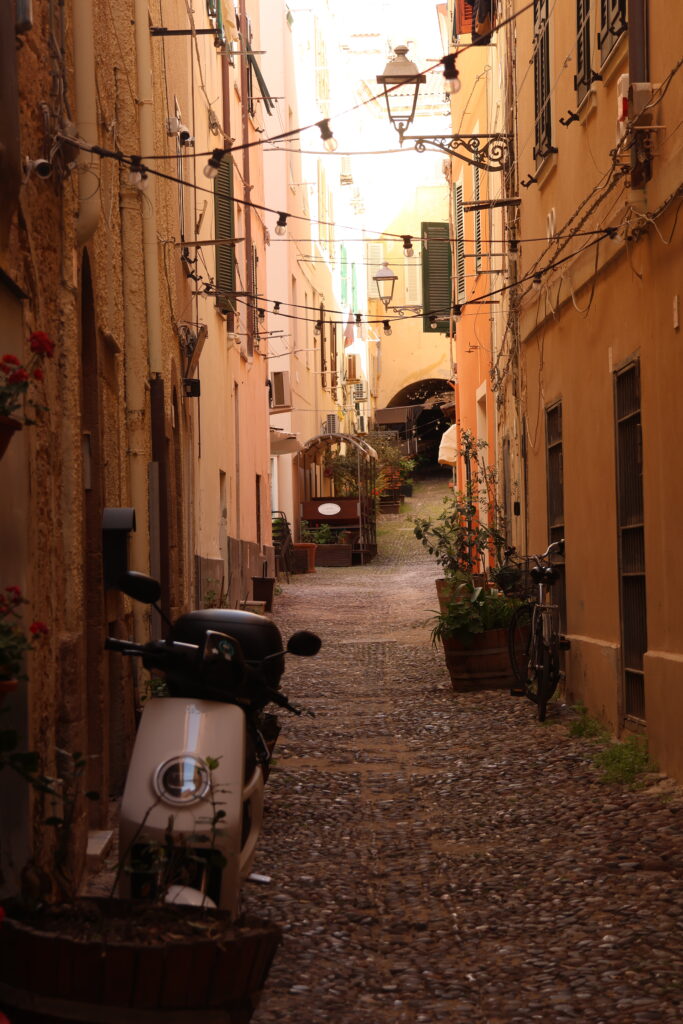
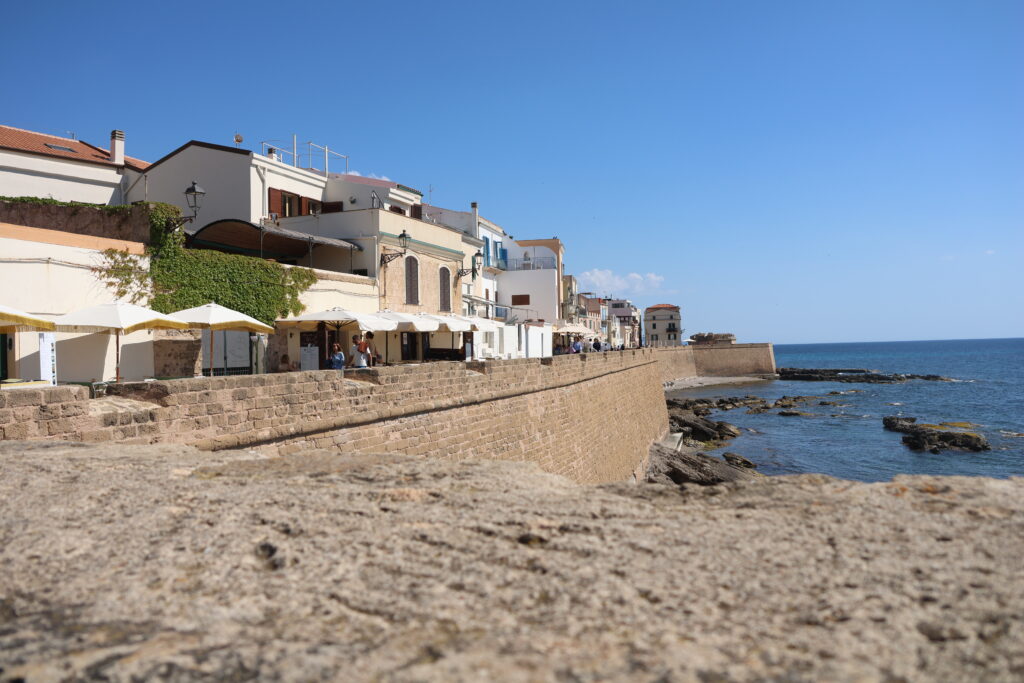
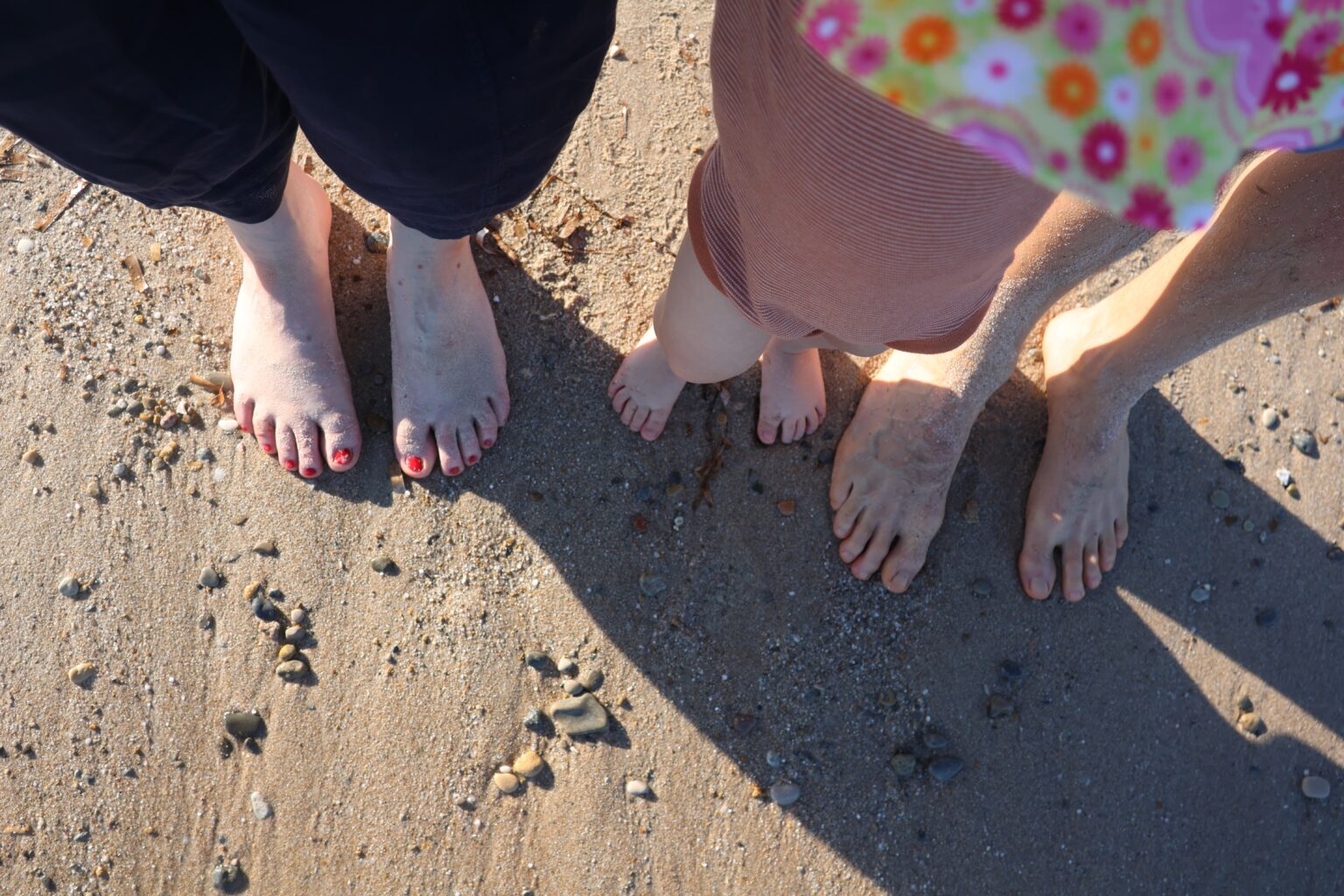
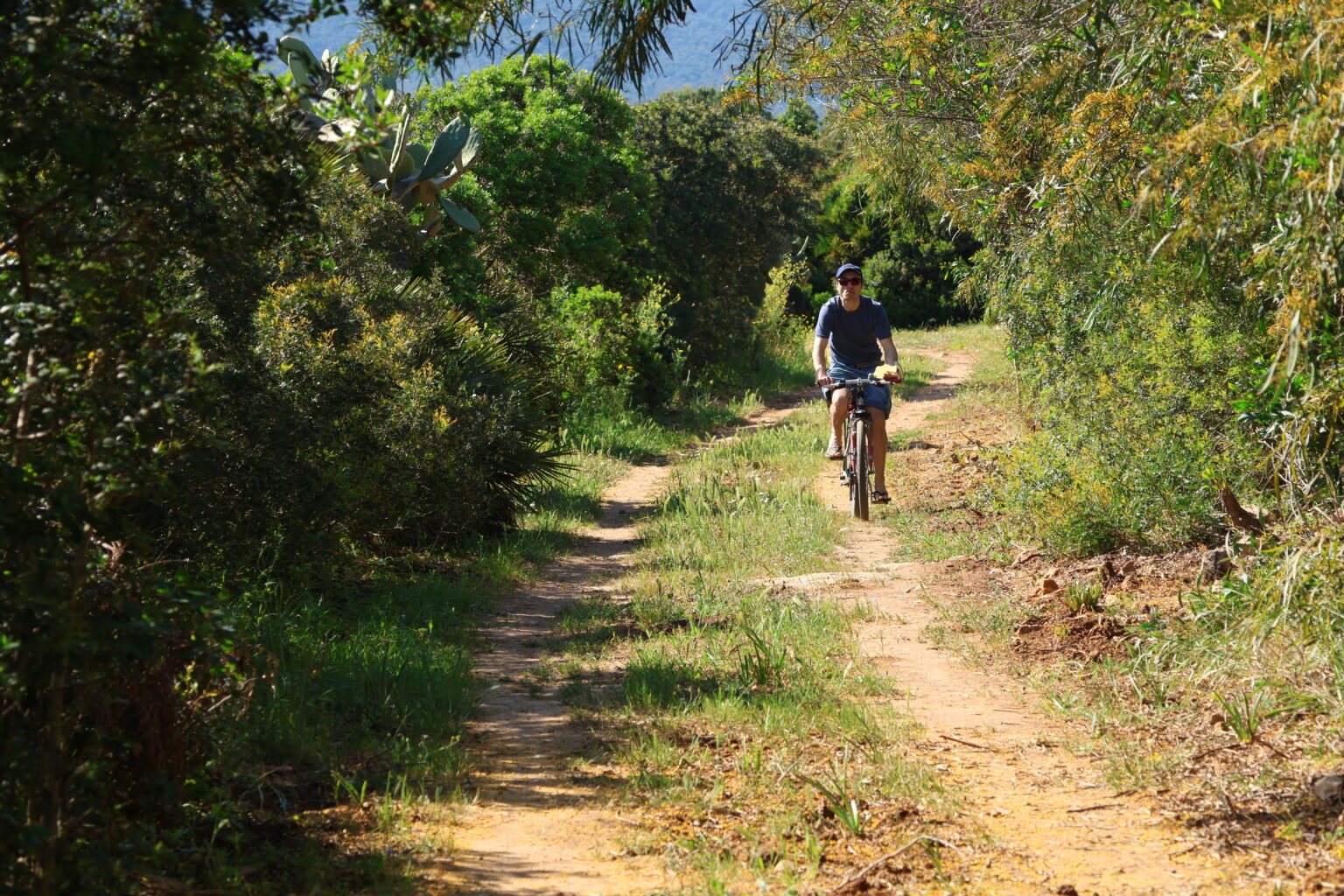
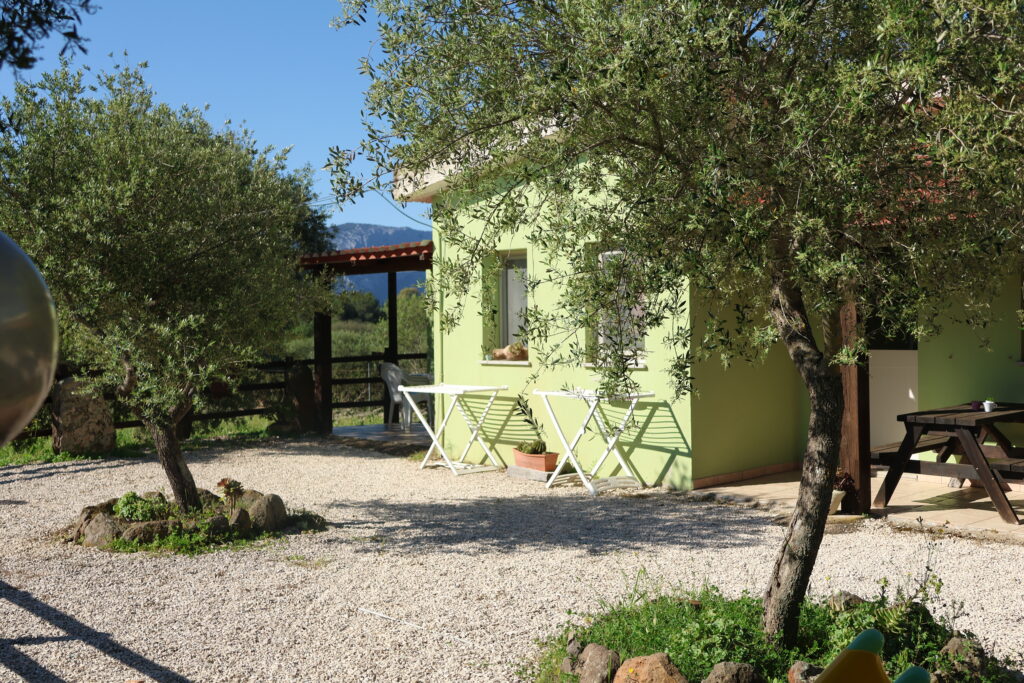
Upon arrival, we drove straight to our lovely little accommodation in Maristella, a small village near Alghero. We spent the afternoon on a short bike ride into Alghero. Surprisingly, there was a well-maintained cycle path along most of the route. In Alghero, we visited the cathedral, walked along the city walls, strolled through the narrow streets and enjoyed our first gelato of the trip. On the way back, much to the delight of our little one, we stopped at the beach. We just dipped our feet in the still rather cold water and otherwise played extensively in the sand.
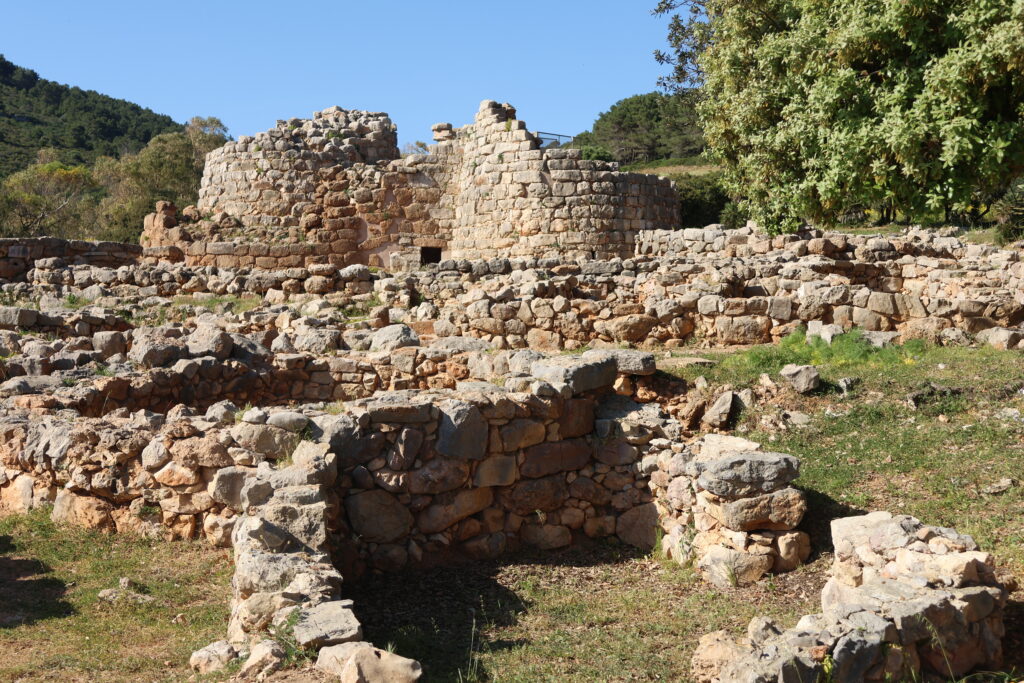
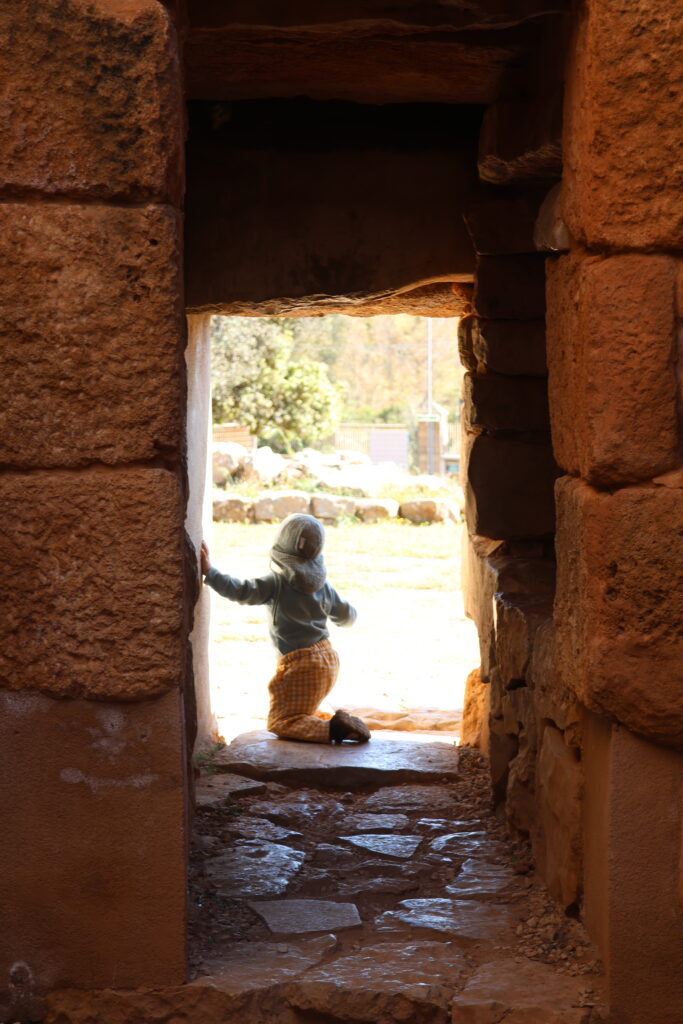
The Nuraghe Palmavera is located very close to our accommodation. These are prehistoric tower structures dating from the Nuragic culture, around 1600 BC during the Bronze Age. In Sardinia, they come in a wide variety of architectural styles and their purpose is a matter of debate. We took a look at the remains of this nuraghe and walked around the various structures. It’s very impressive that two-storey stone towers could be built so early on.
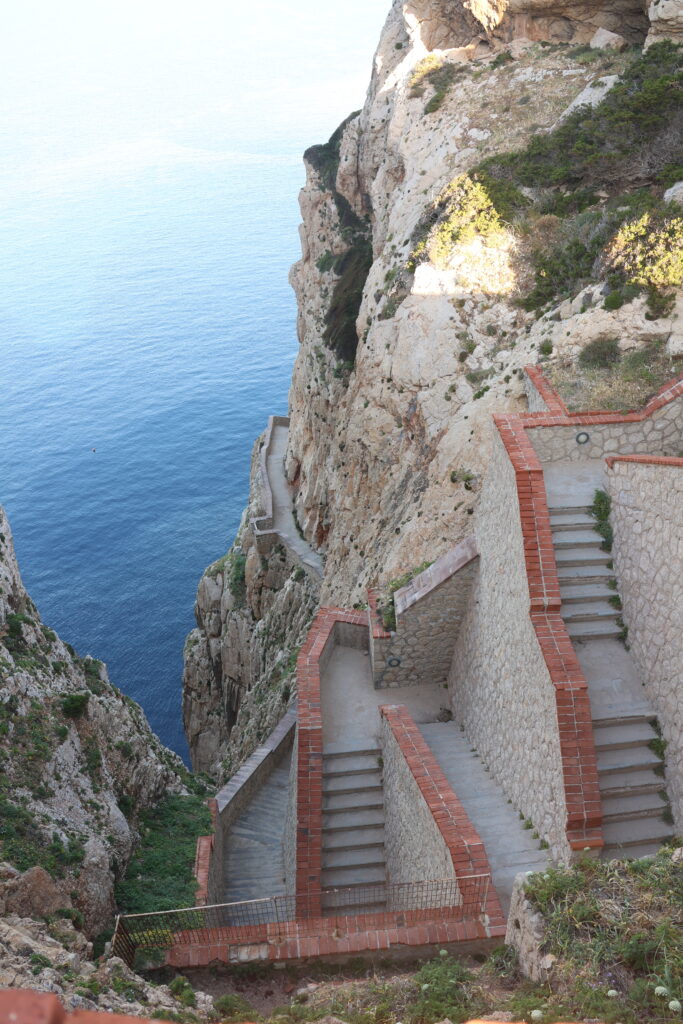
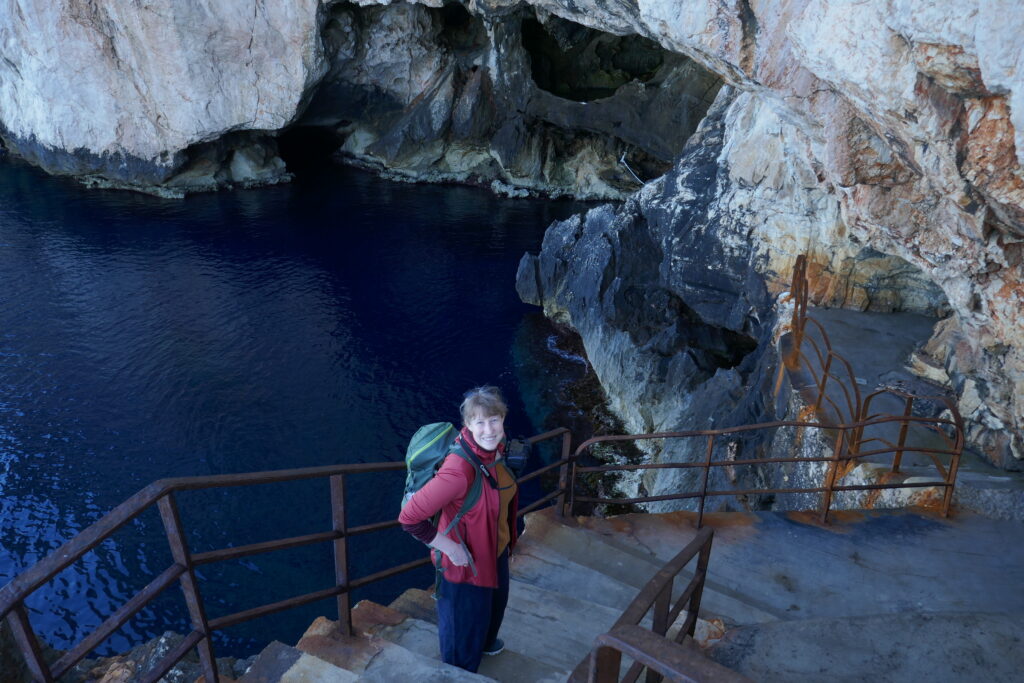
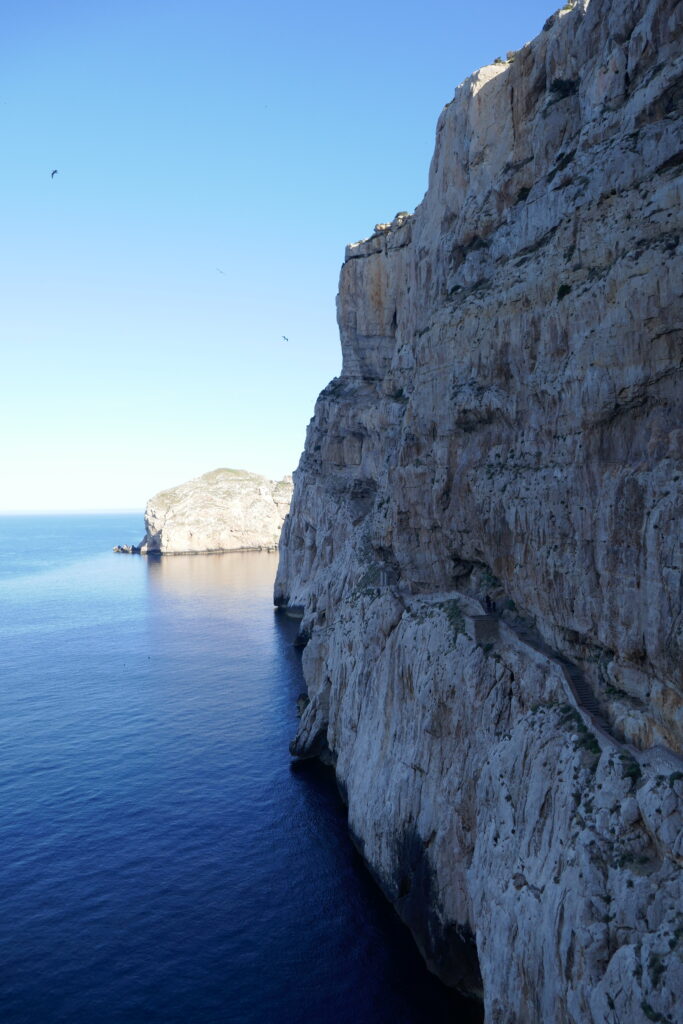
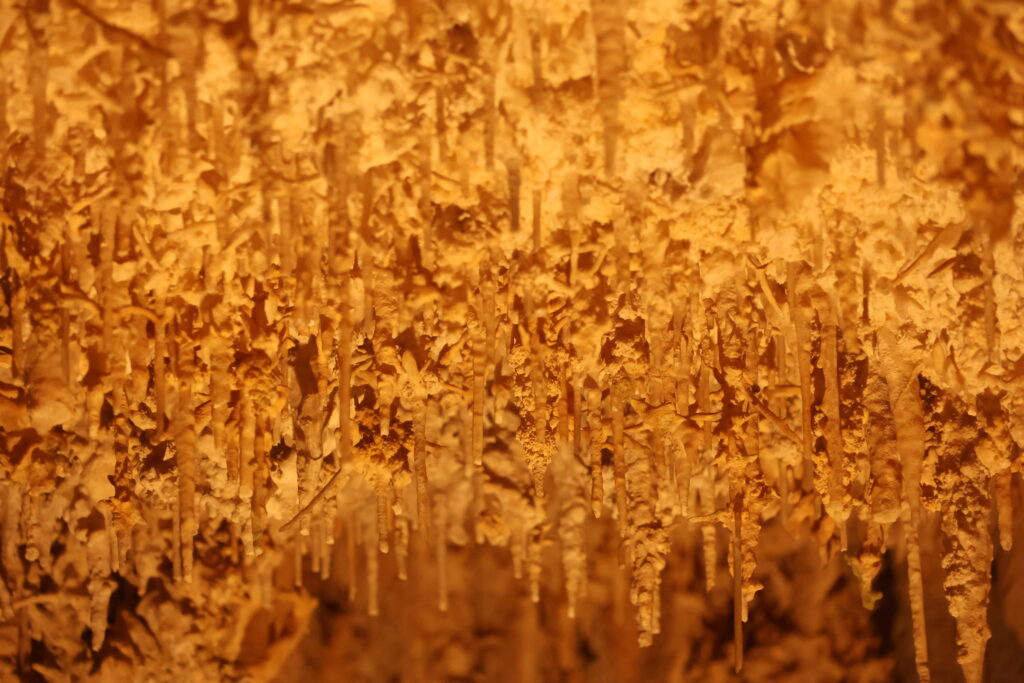
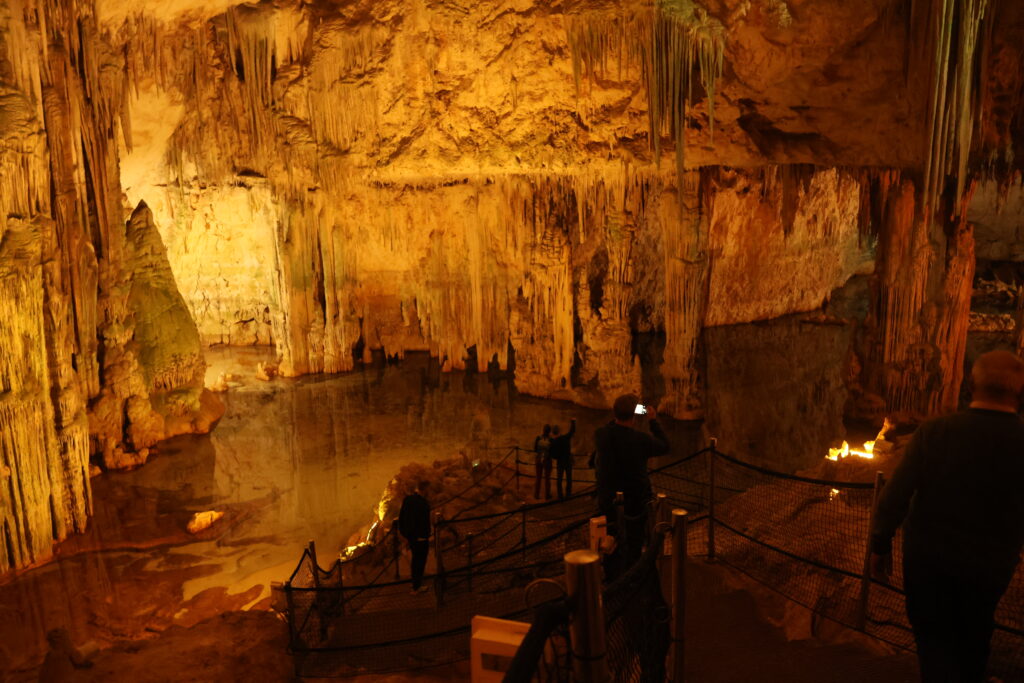
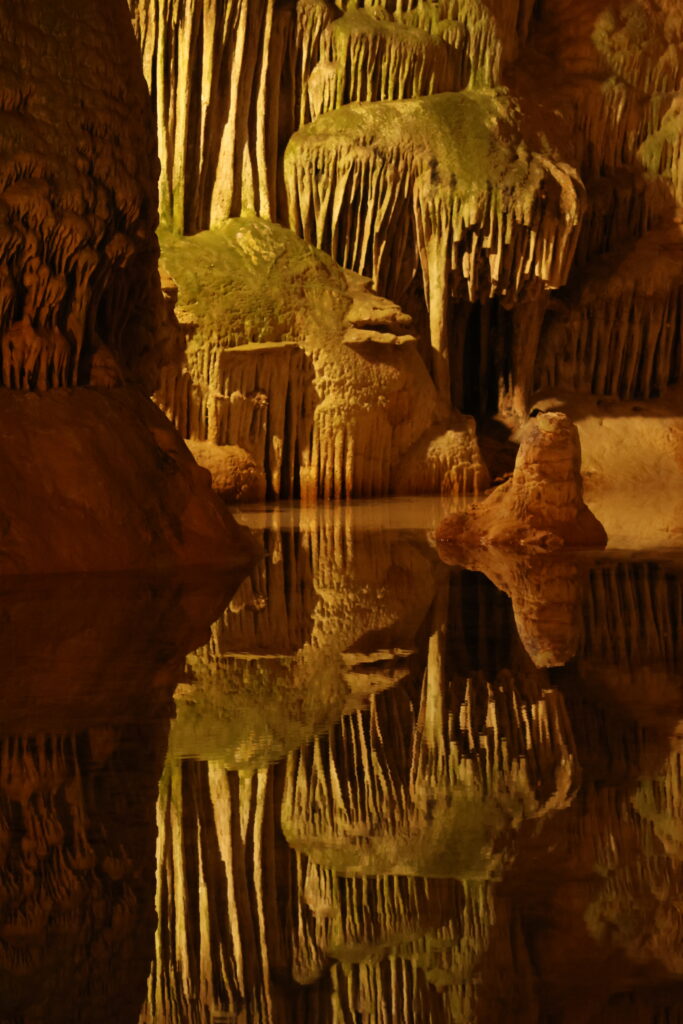
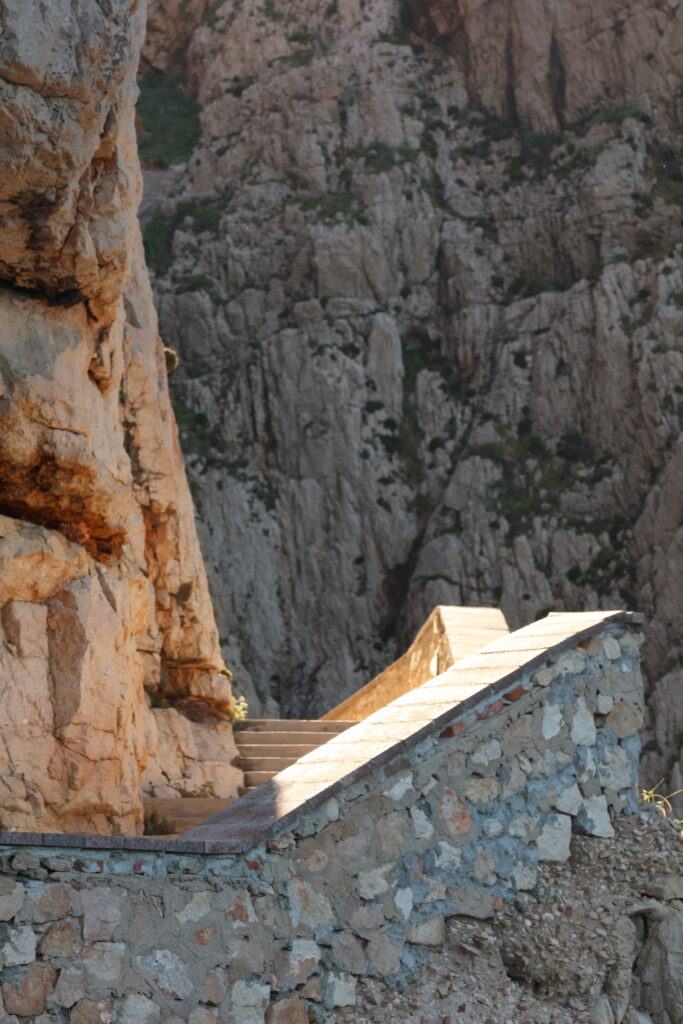
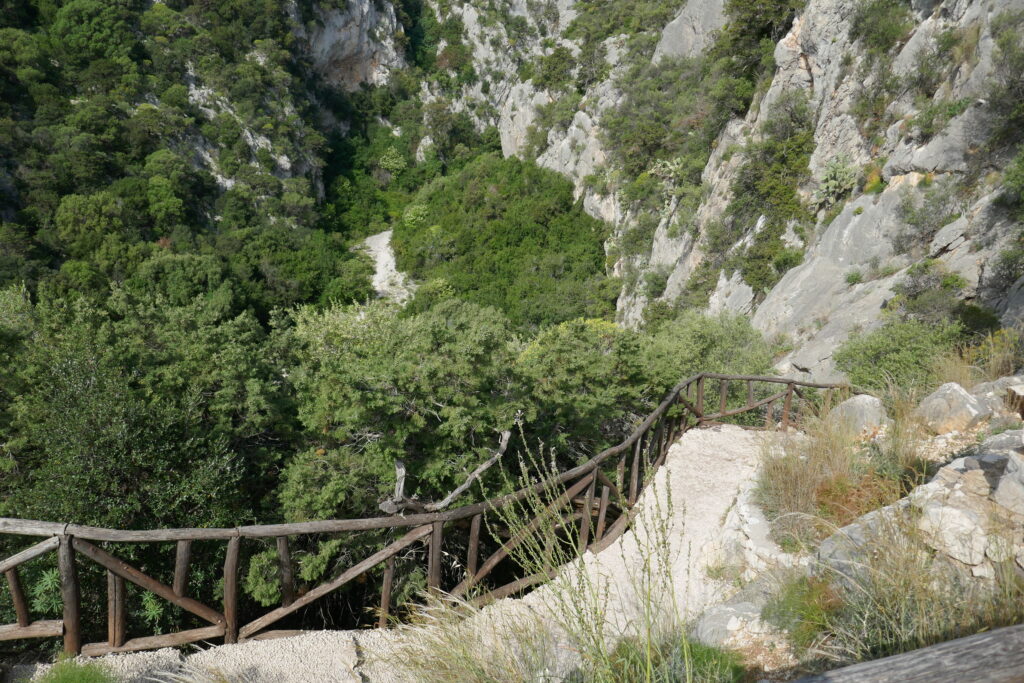
We didn’t want to miss out on a visit to the Grotta di Nettuno stalactite cave. To get there, we chose the route down the more than 600 steps that lead along the rock face to the entrance by the sea. As we were on the first guided tour of the grotto at 9.00 am sharp, we were able to enjoy it almost entirely to ourselves. As we were out so early, fortunately most of the steps were still in the shade. So the climb up wasn’t too strenuous.
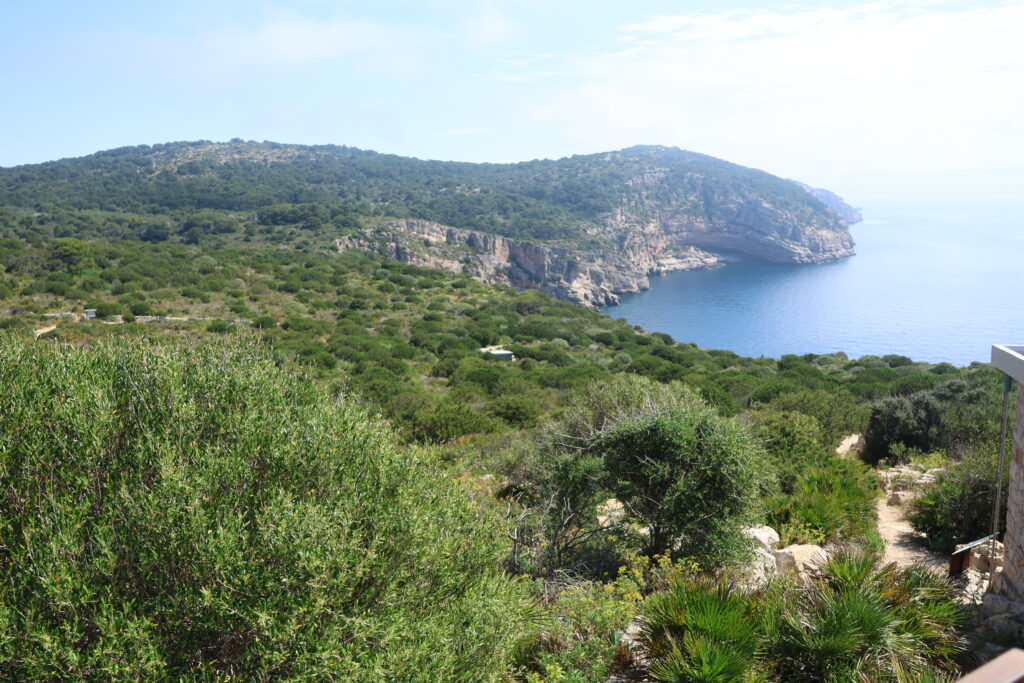
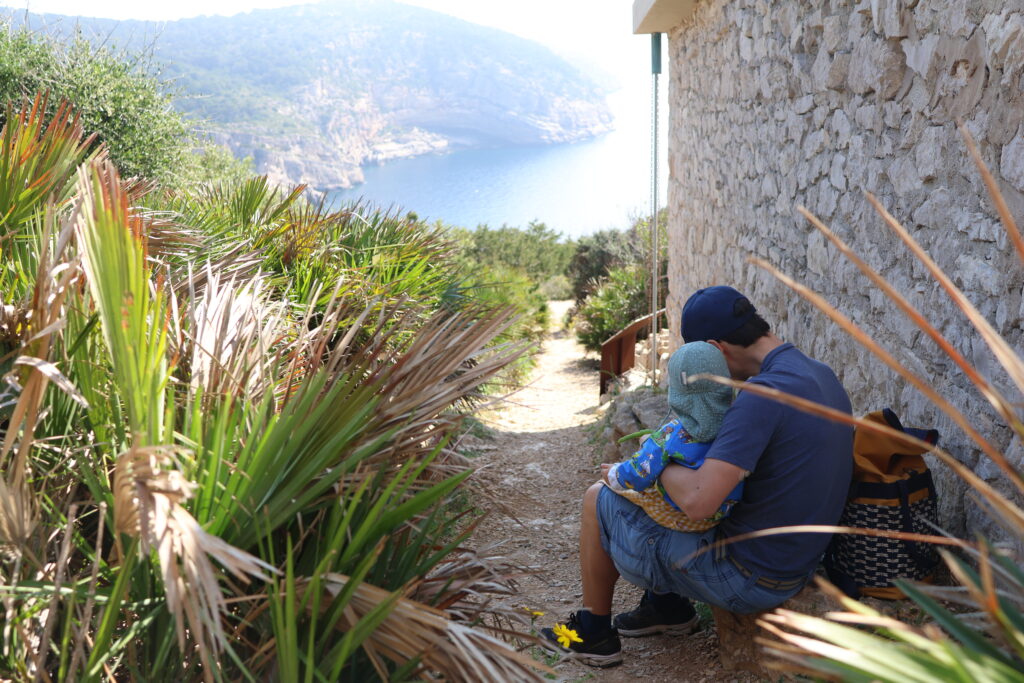
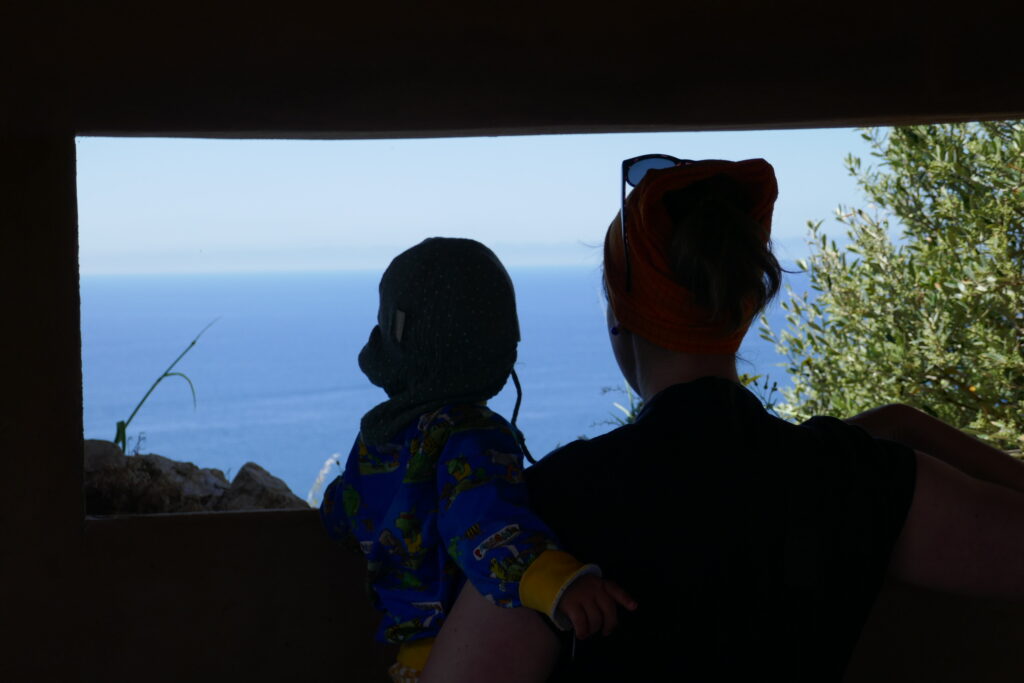
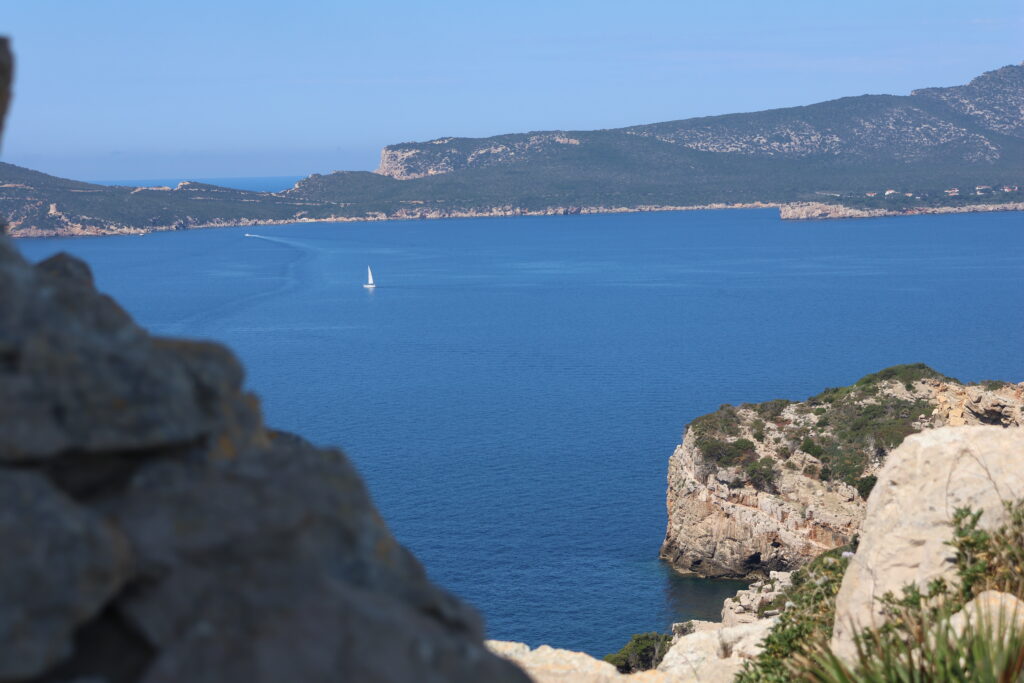
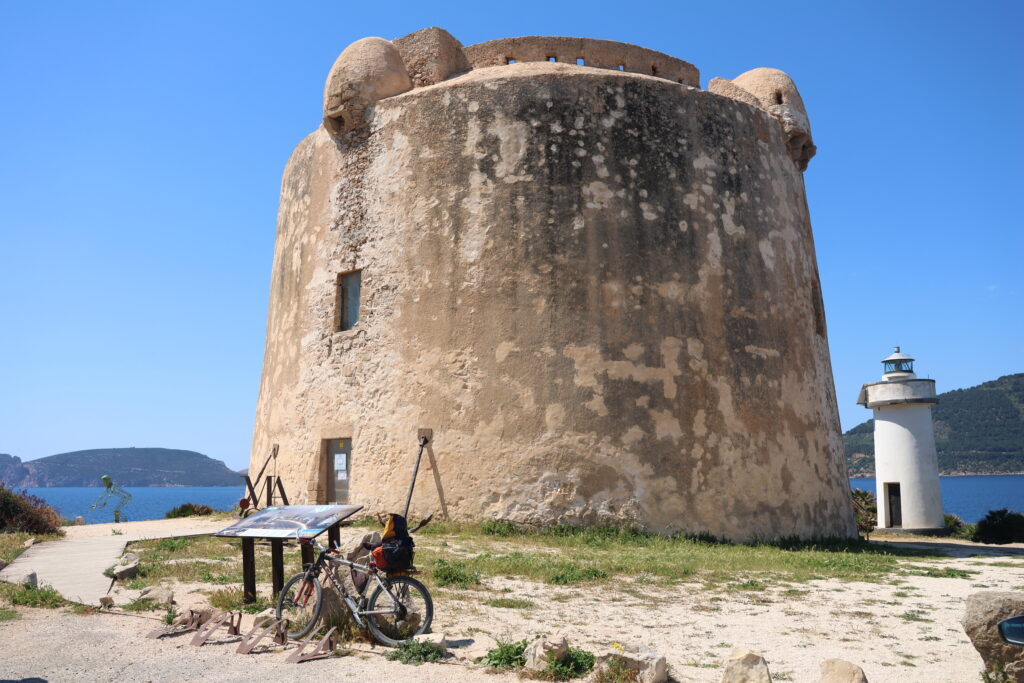
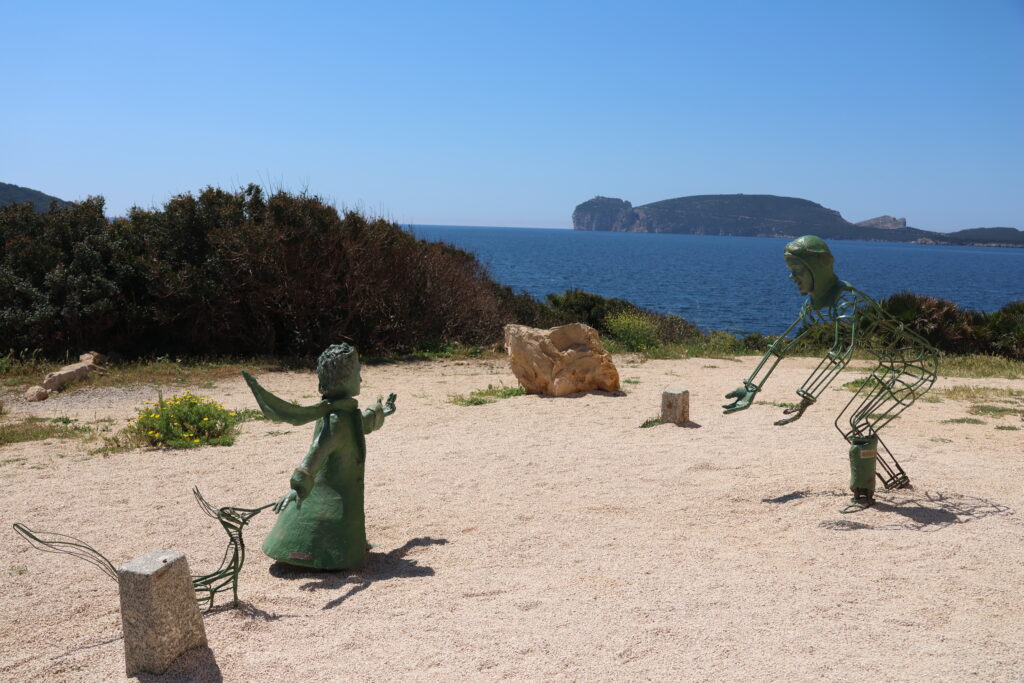
Another cycle ride took us to the small, nearby national park near Porto Conte. We cycled as far as the Rifugio di Mare at Punta Giglio. There, we left our bikes and walked the last stretch to the tip. We stopped for a short lunch break in the shade, enjoying a wonderful view of the sea. On the way back, we cycled to the Torre di Porto Conte, which is now a small museum dedicated to Antoine de Saint-Exupéry. Unfortunately, it was closed that day. The tower was part of a complex of fortifications that formed the defence, surveillance and communication system along the Sardinian coast from the High Middle Ages until the mid-19th century.
Dorgali, Pira Pinta
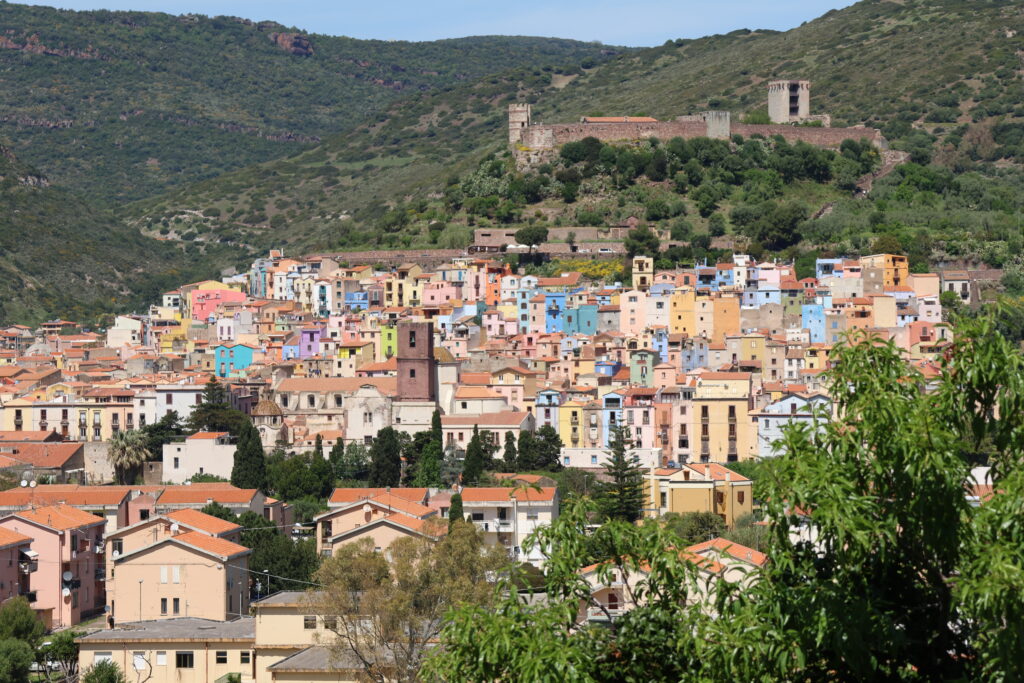
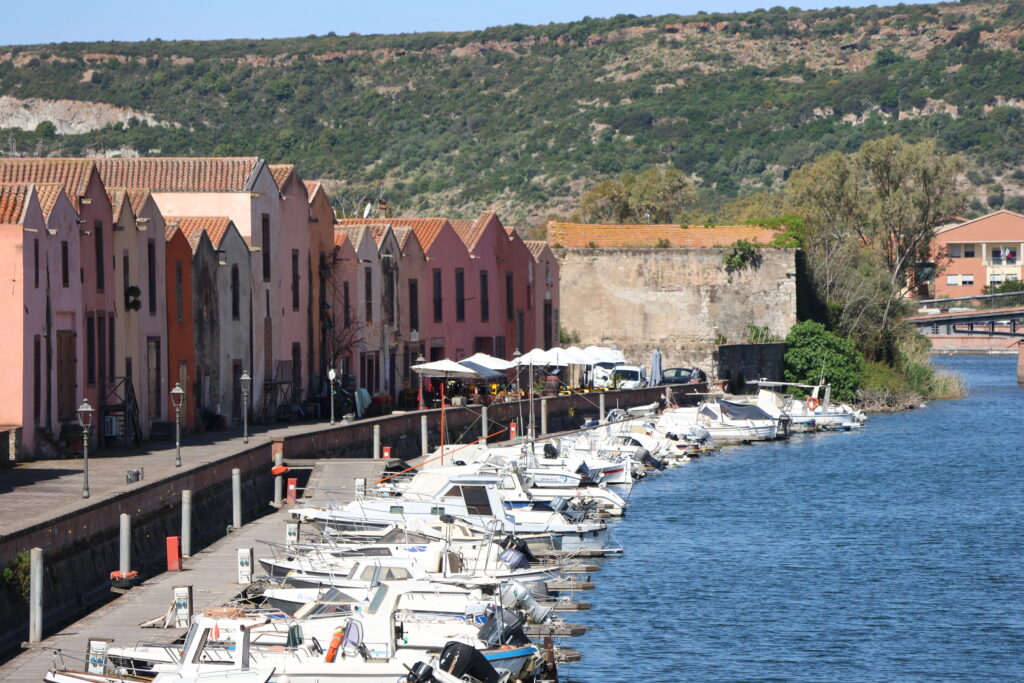
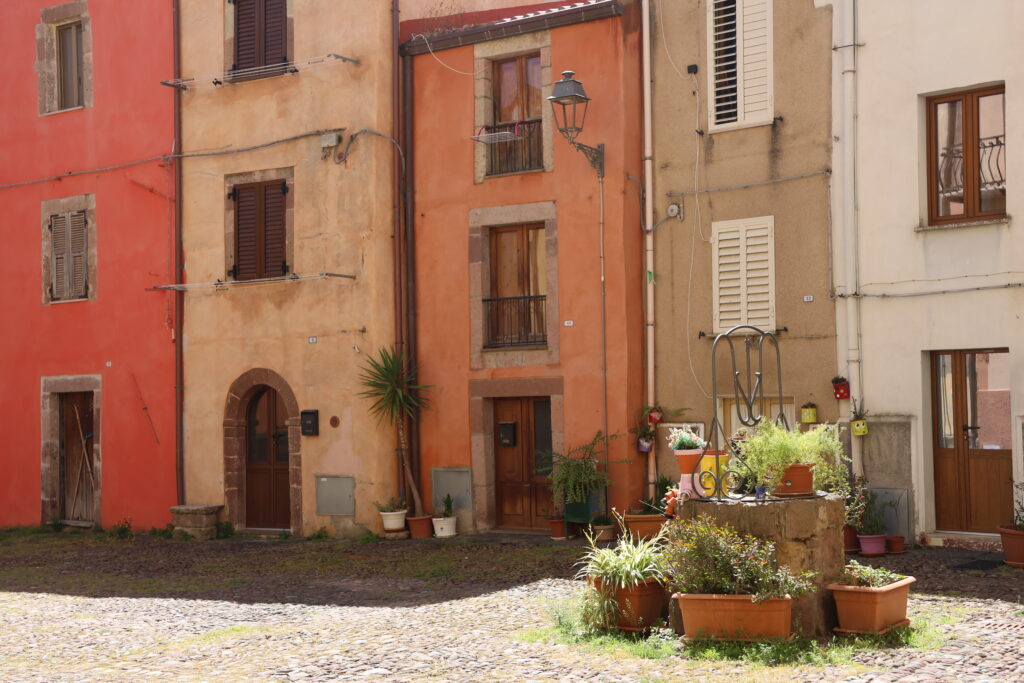
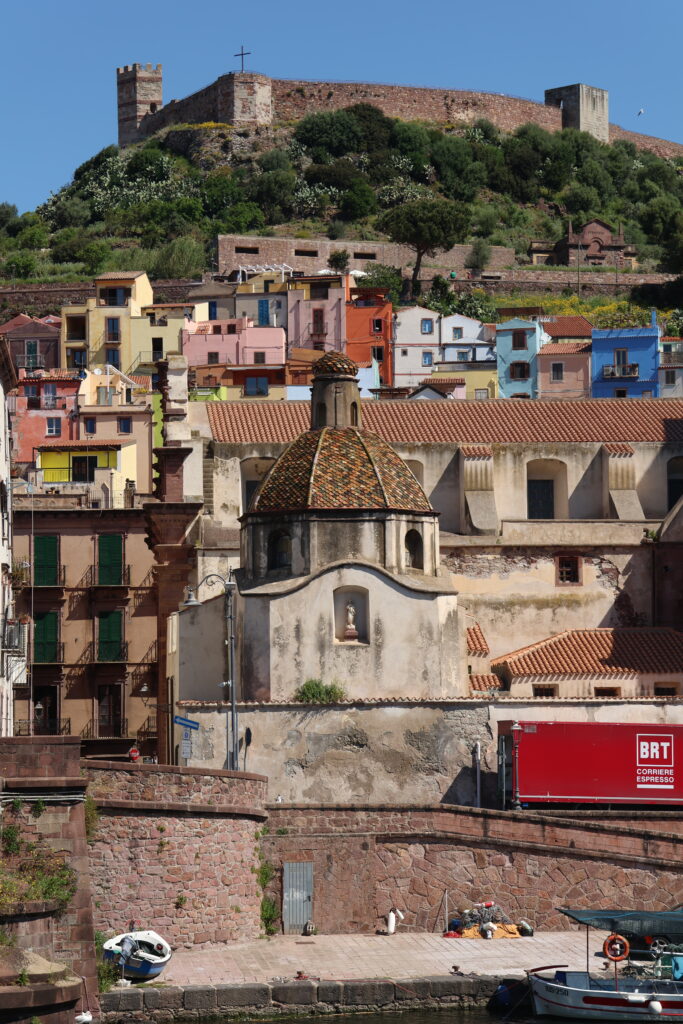
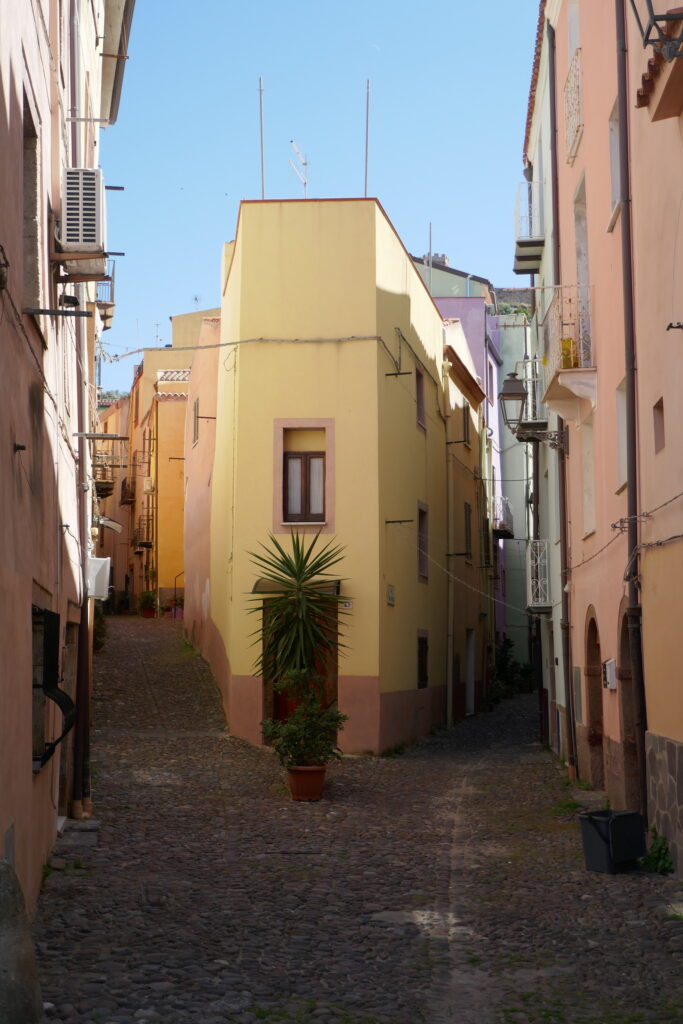
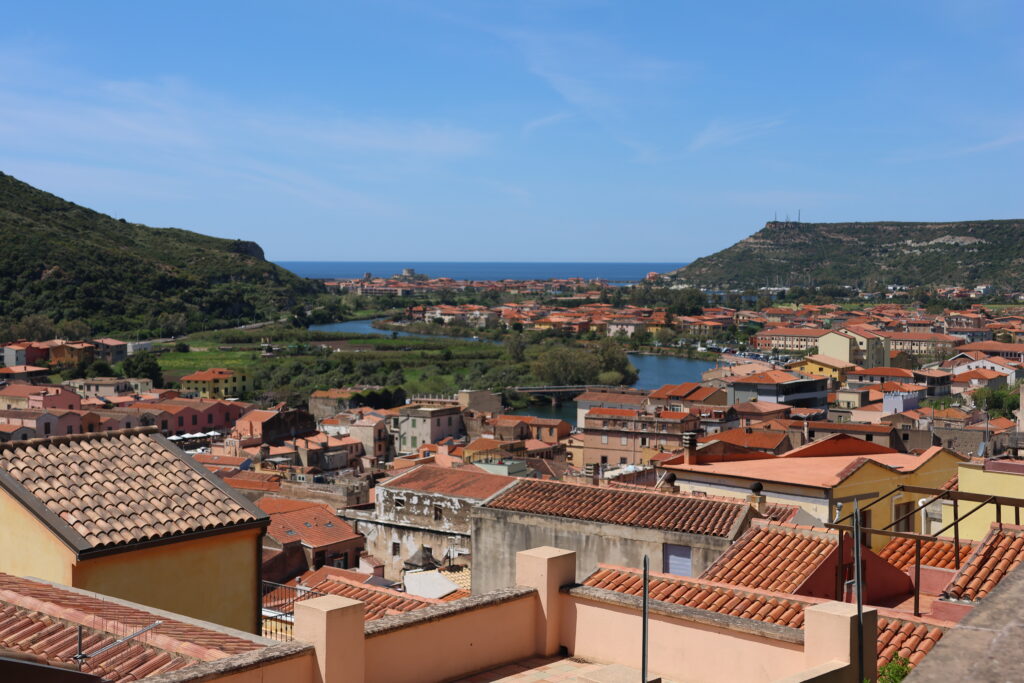
On the way to our next accommodation, we stopped off in the small town of Bosa. It is best known for its former tanneries on the River Temo, Sardinia’s only navigable river. Bosa was founded by the Phoenicians and enjoyed its heyday under the Romans. We visited the small tannery museum in one of the old houses by the river. Afterwards, we strolled through the old town, stopped for a snack and walked through the narrow streets up to Malaspina Castle. From there, we enjoyed the view over the town and the river down to the sea. On the journey onwards, the little caterpillar fell asleep. In the afternoon, we arrived at our new accommodation. We spent the next three nights at the Agriturismo Pira Pinta. The guard dogs and cats greeted us straight away. Whilst unloading, the little caterpillar spotted a toy car and was absolutely thrilled. She spent quite some time playing with it.
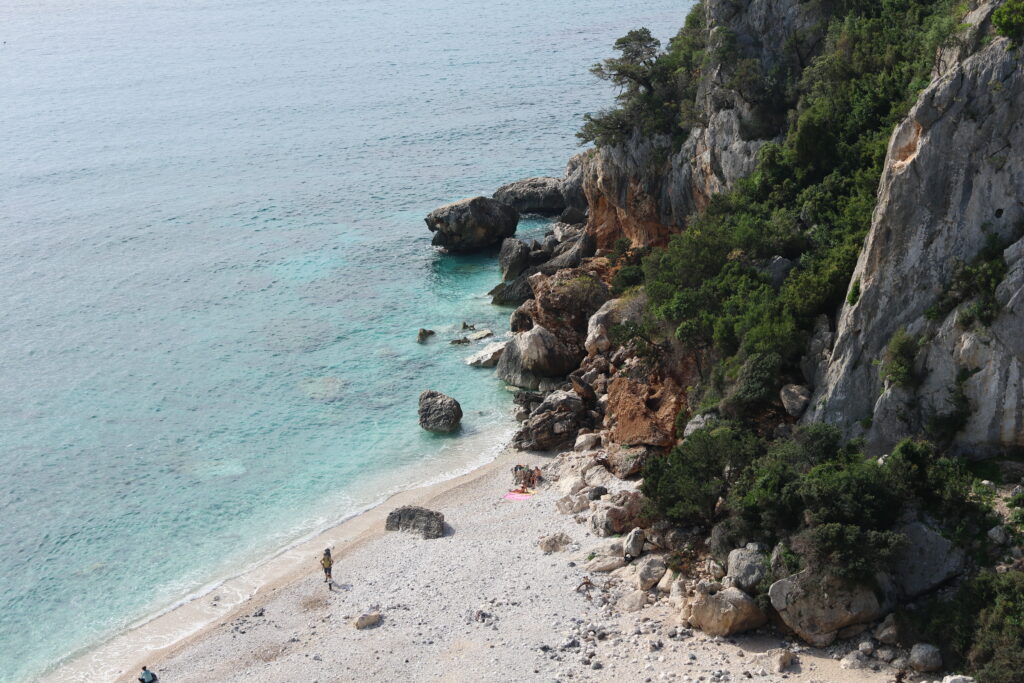
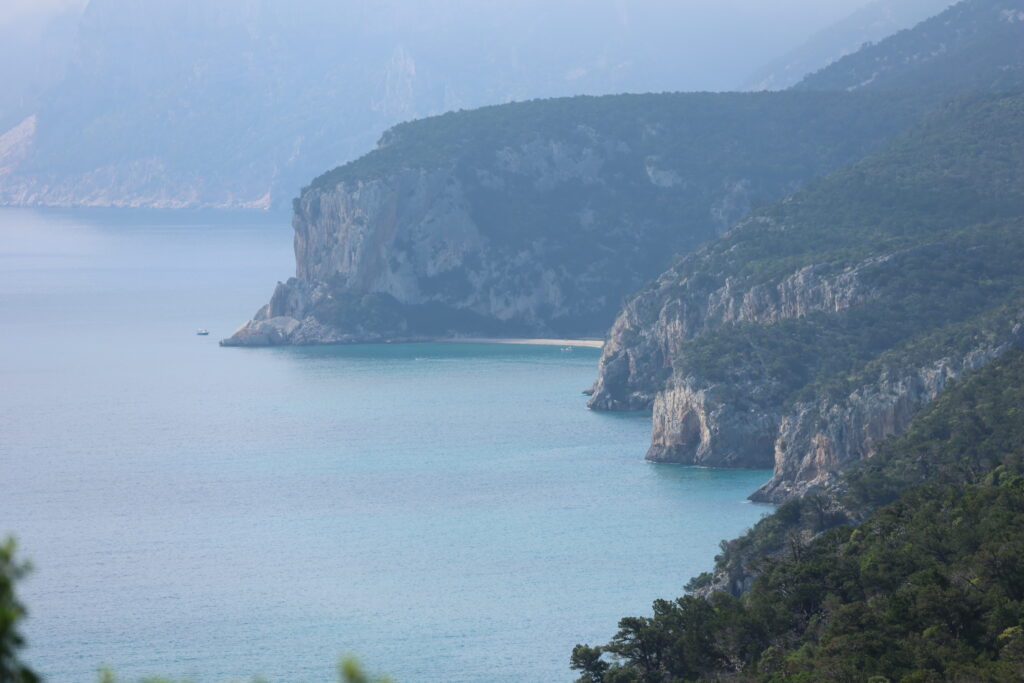
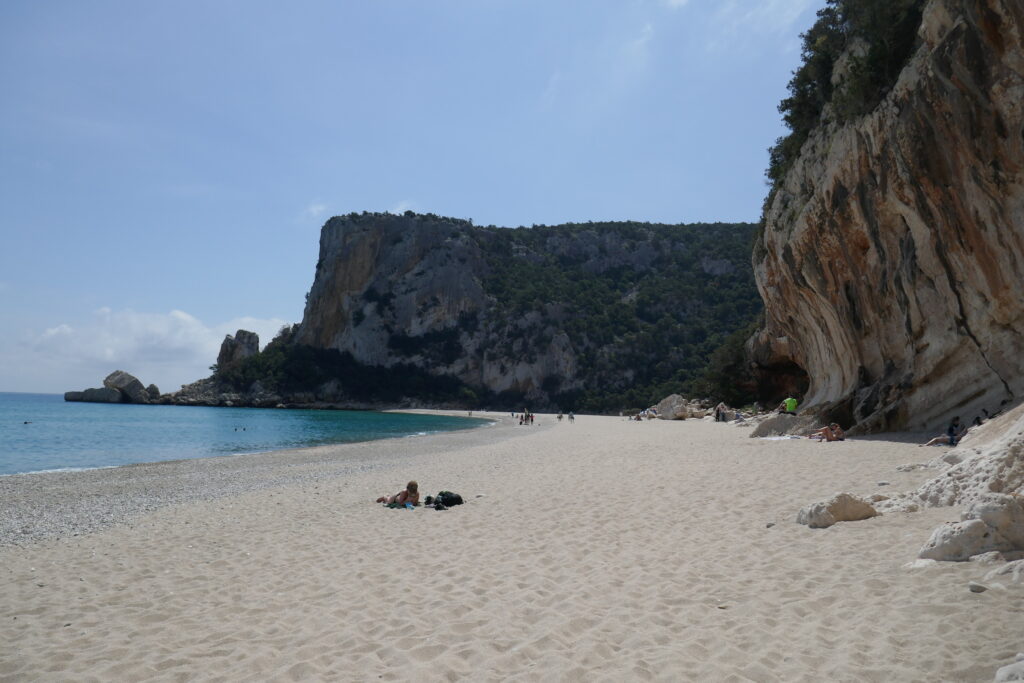
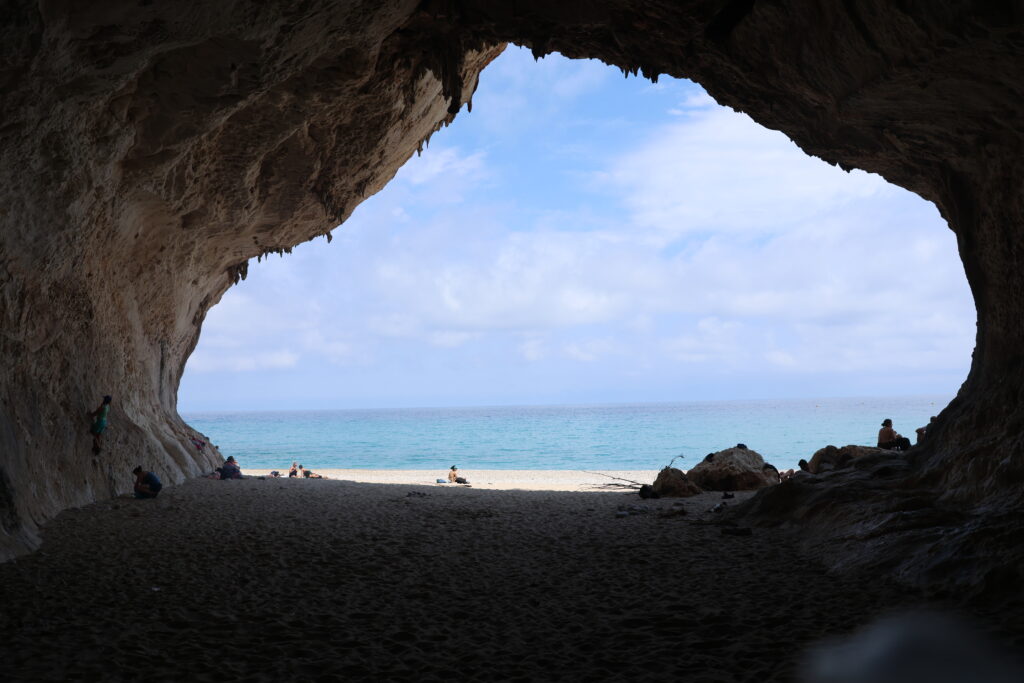
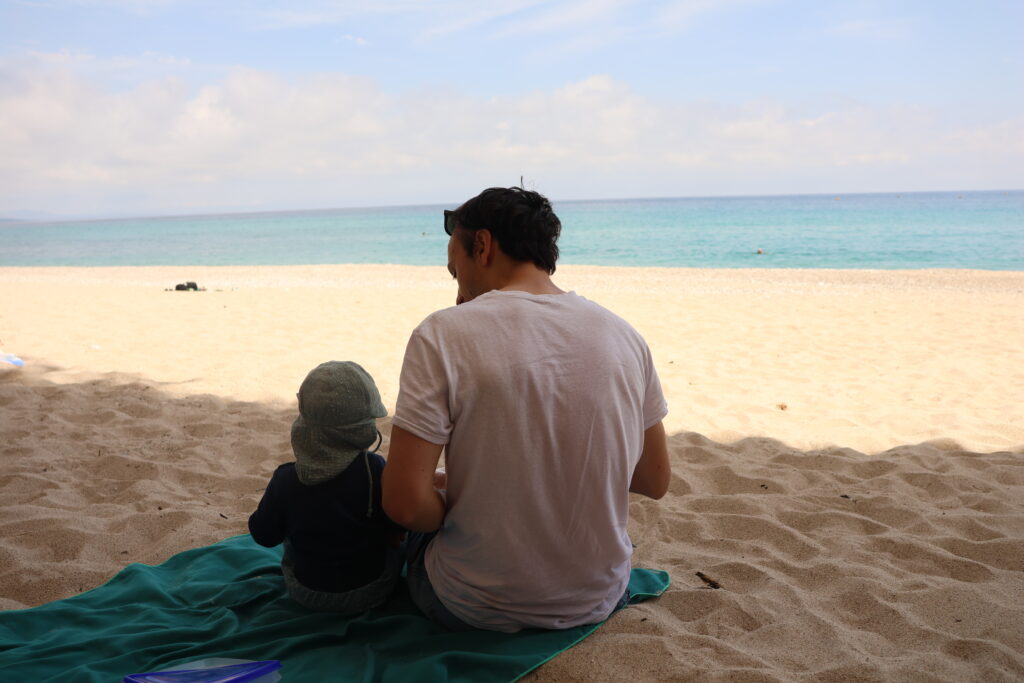
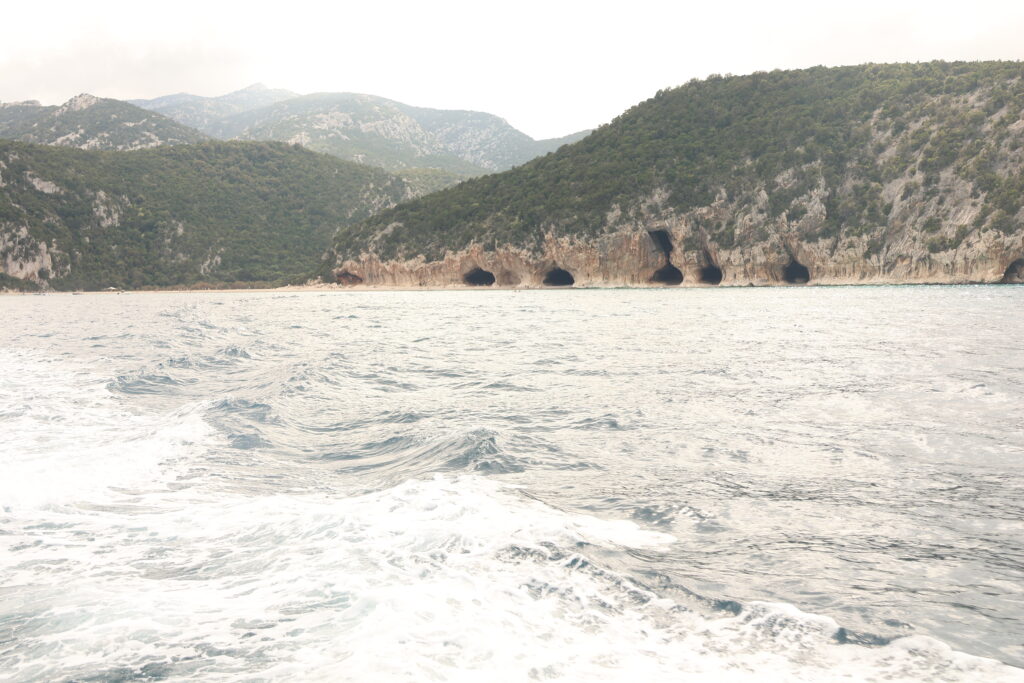
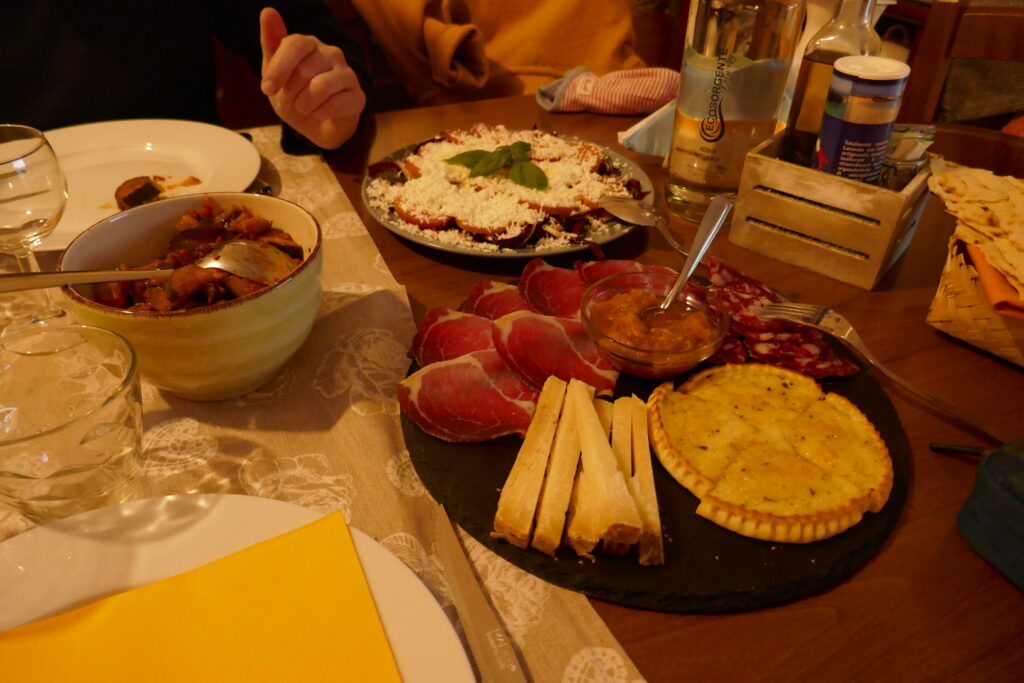
We went on two hikes from the agriturismo. The first took us back down to the sea at Cala Fuili. From there, we walked along the cliffs to Cala Luna. We turned off once too soon, at a cove, but luckily realised our mistake quickly. At Cala Luna, a large sandy beach awaited us, with two easily accessible caves. The walk was beautiful, with stunning views of the many small coves and the sea. At this time of year, the walk and the beach weren’t completely overrun either. We spent the afternoon on the beach cooling off in the cold water and playing in the sand. Later, we took the boat back to Cala Gonnone and from there a taxi transfer took us back to the car. This time, we had dinner at the agriturismo. Antonella had cooked especially for us. There was a small antipasti platter with cheese, salami, and courgettes and aubergines from their garden. This was followed by fresh, homemade ravioli filled with ricotta and spinach. It tasted delicious.
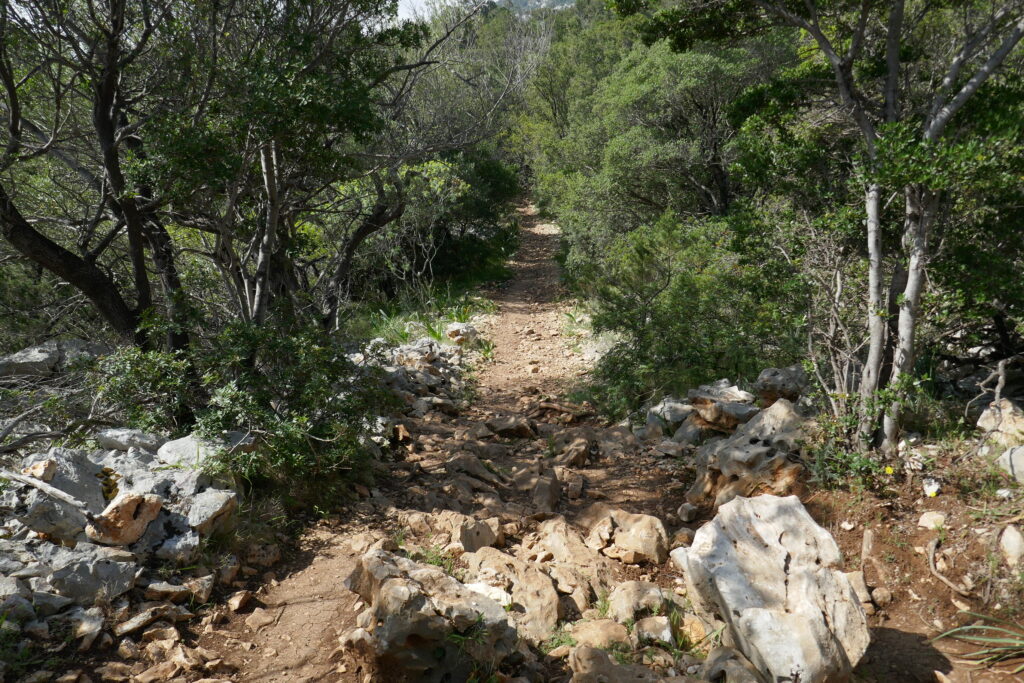
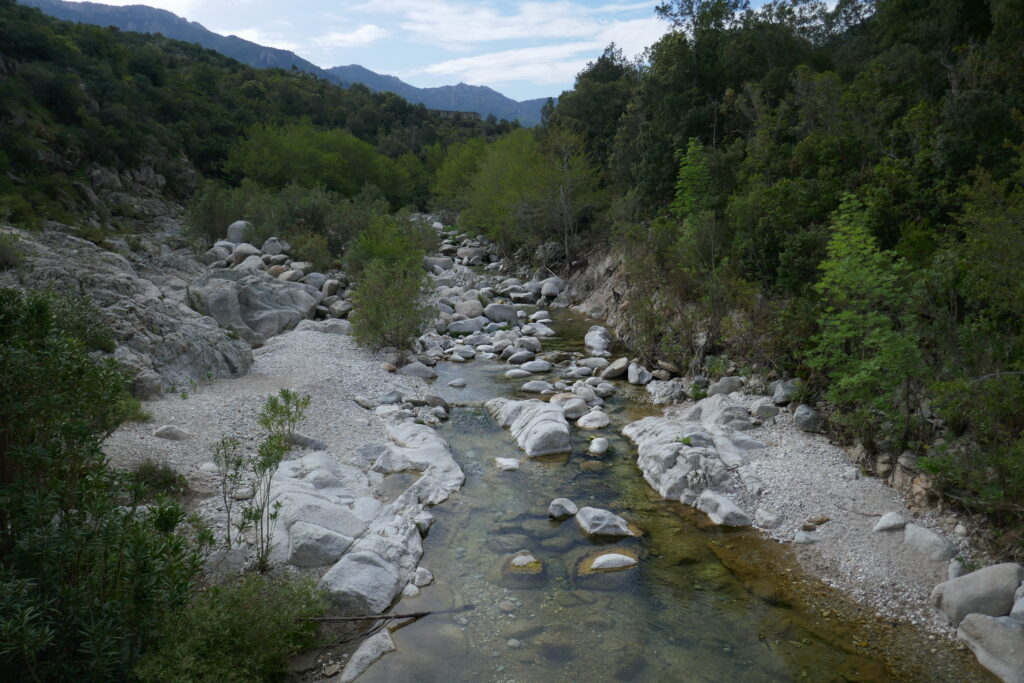
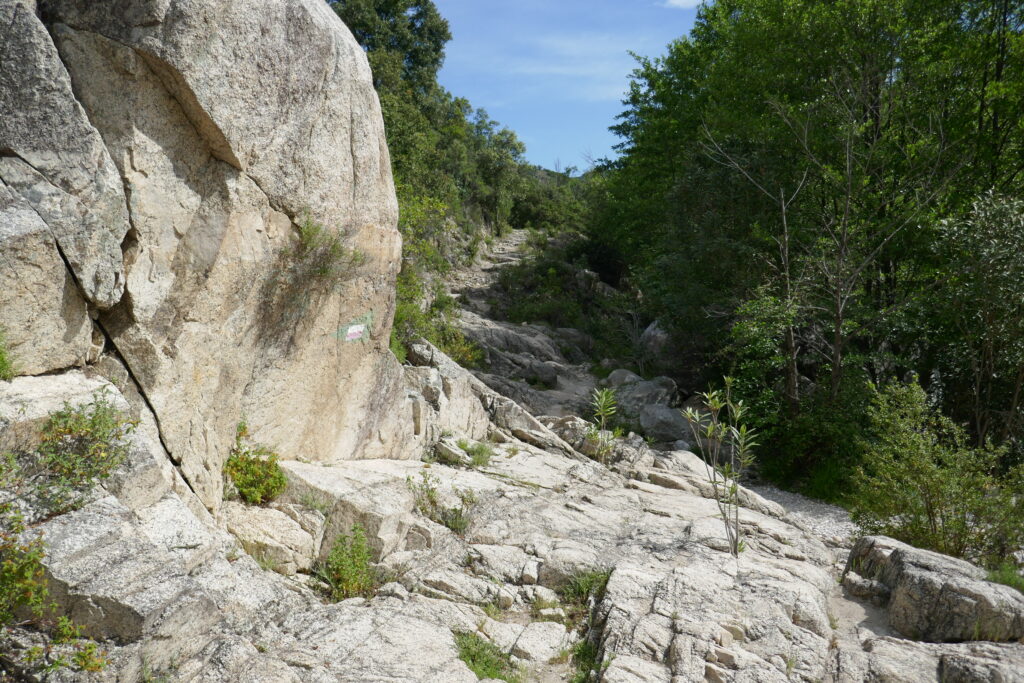
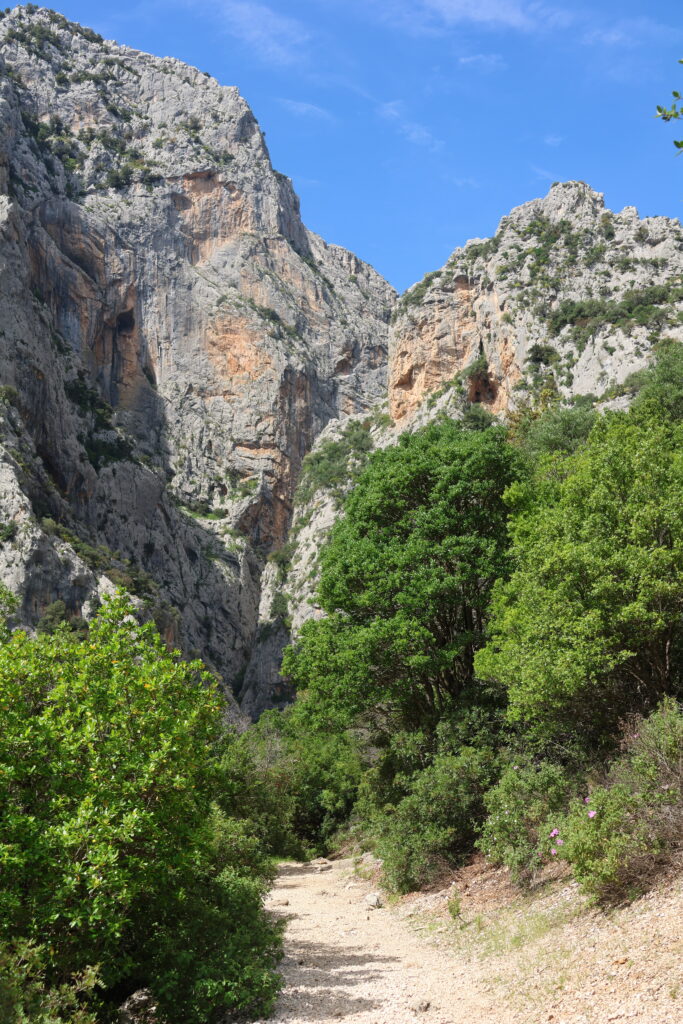
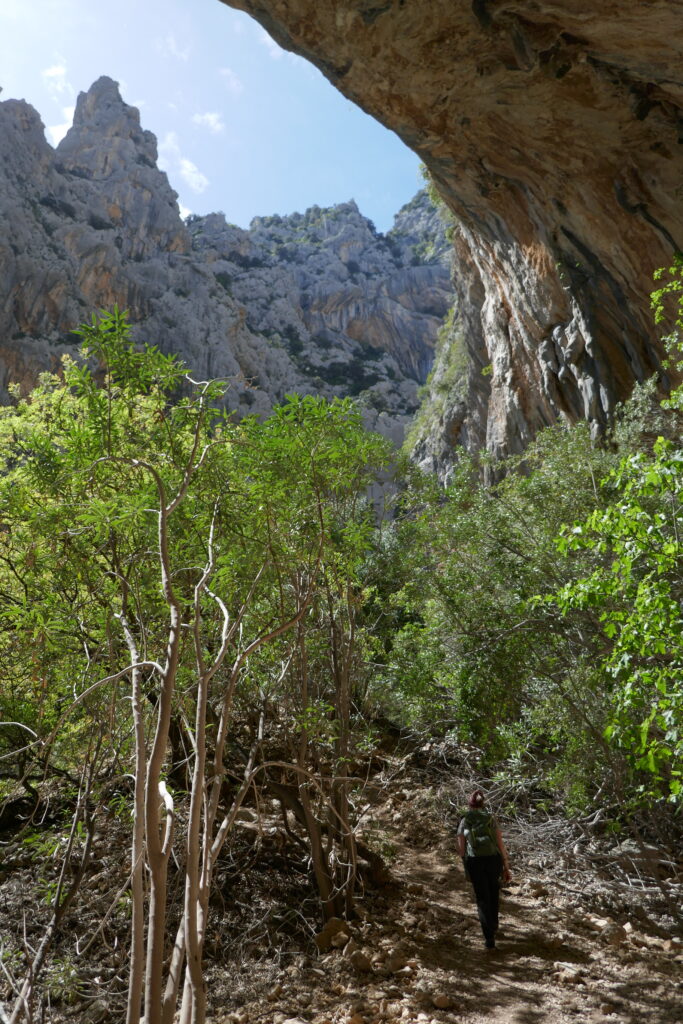
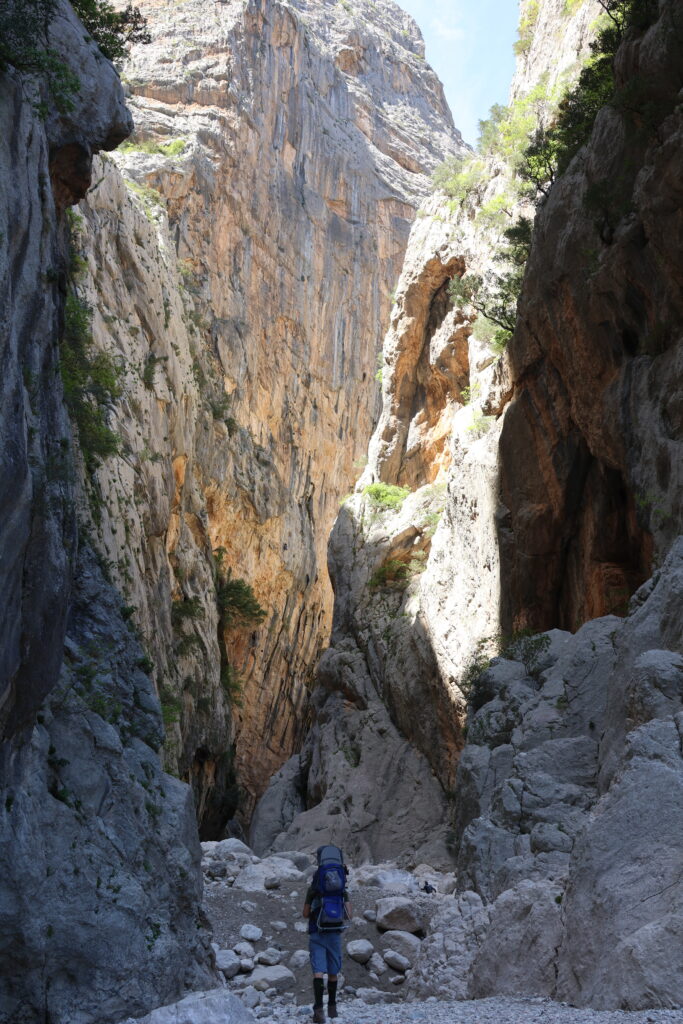
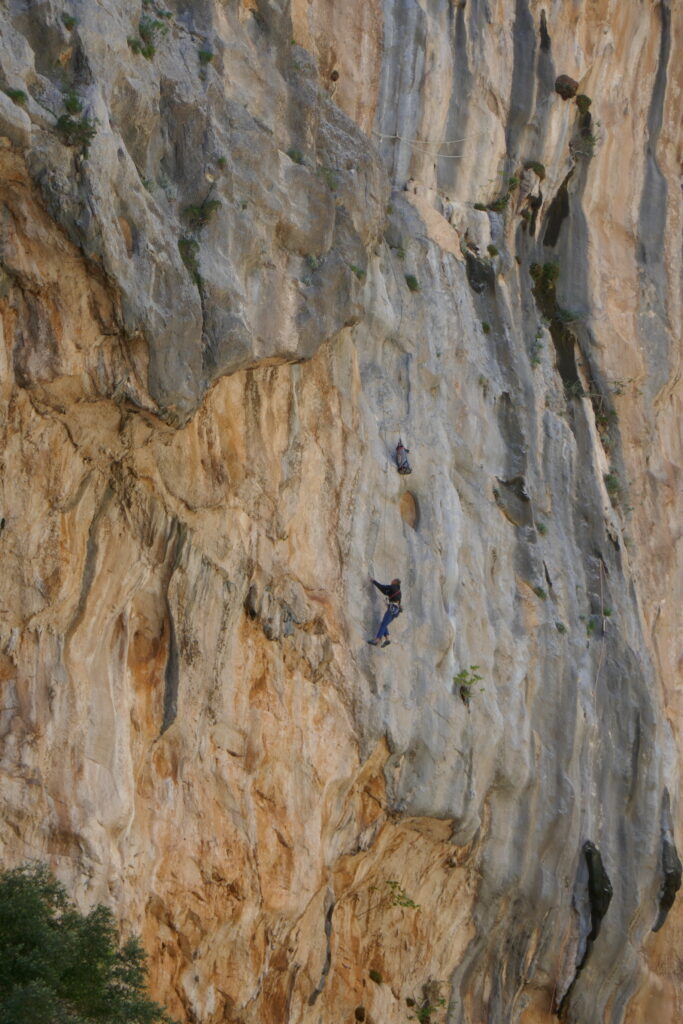
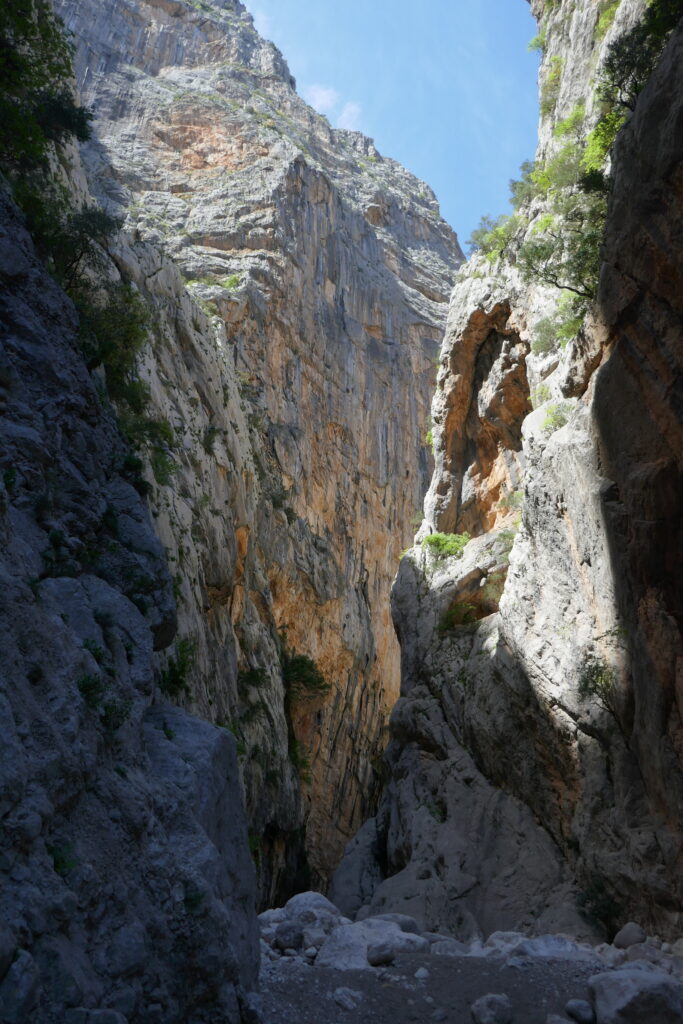
The second hike took us to Gola Gorropu. Our host gave us a useful tip for a slightly easier approach to the gorge. So we set off from the S’Abba Arva car park, following a small river as it wound its way up and down until we reached the gorge. Fortunately, the path was relatively shaded and easy to walk on. After just under two hours, we arrived at the entrance to the gorge. After a brief briefing, we set off into the gorge. Only just over 1 km of it is accessible on foot; beyond that, climbing equipment is required and it is advisable to hire a guide. We descended into the gorge over huge boulders. At its narrowest point, it is just 5 m wide, with 500 m high rock faces rising up on either side. We spotted some climbers on one of the walls. We decided to stop for lunch in the gorge. On the way back, at the entrance to the gorge, we were somewhat overwhelmed by the crowds that had arrived in the meantime. I don’t even want to imagine what it’s like there in the high season. On the way to the car park, we didn’t encounter quite so many people. As a reward after this wonderful second hike, we stopped in Dorgali and enjoyed an ice cream. The little caterpillar had a lick or two as well.
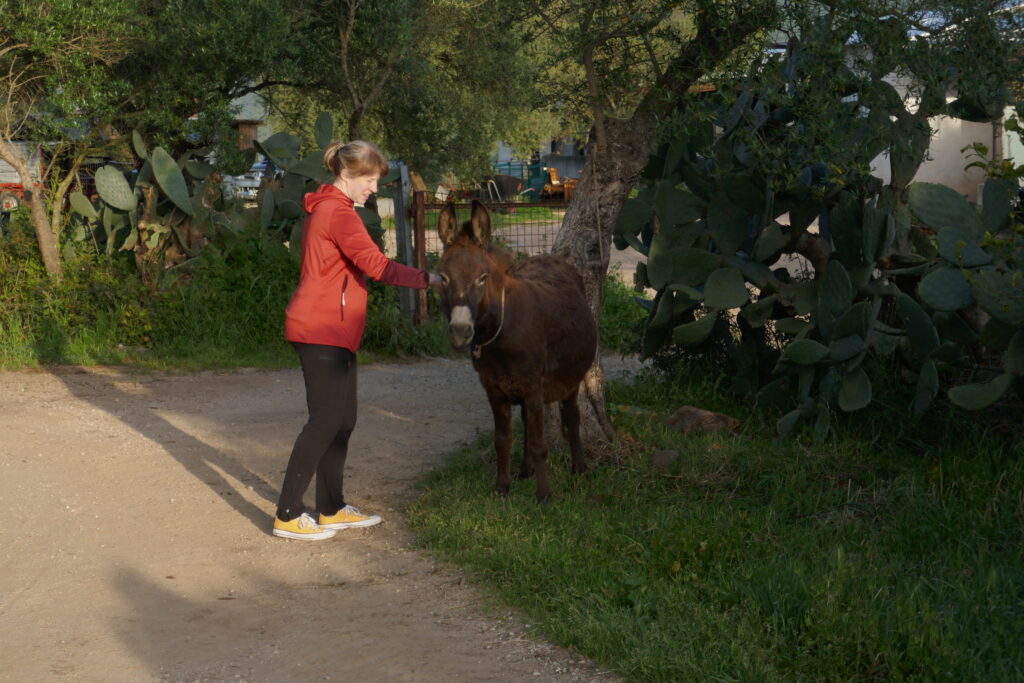
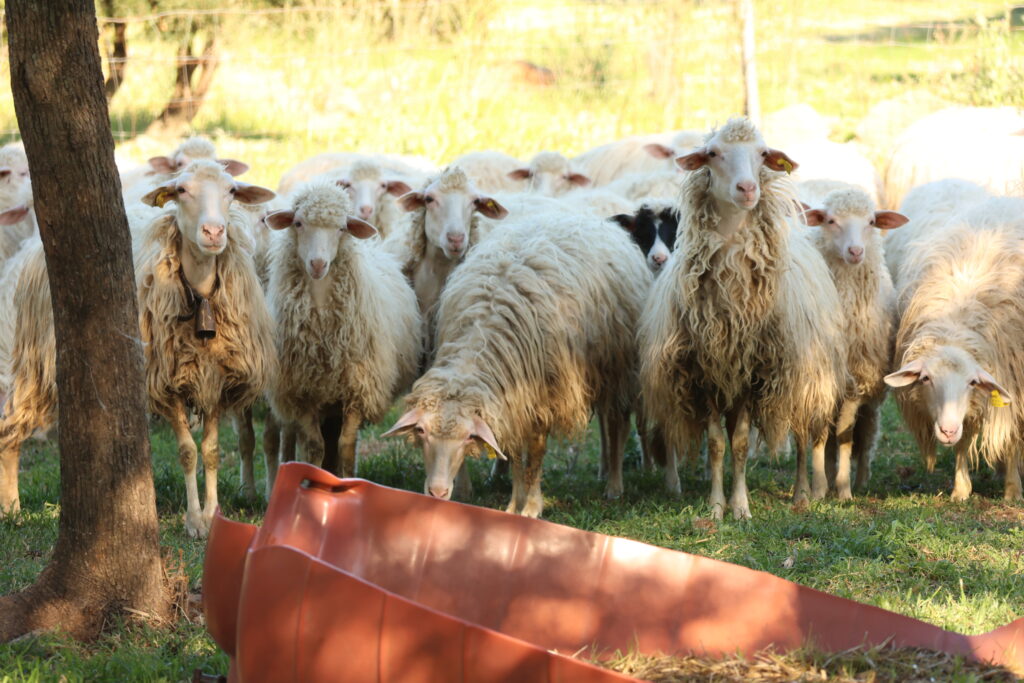
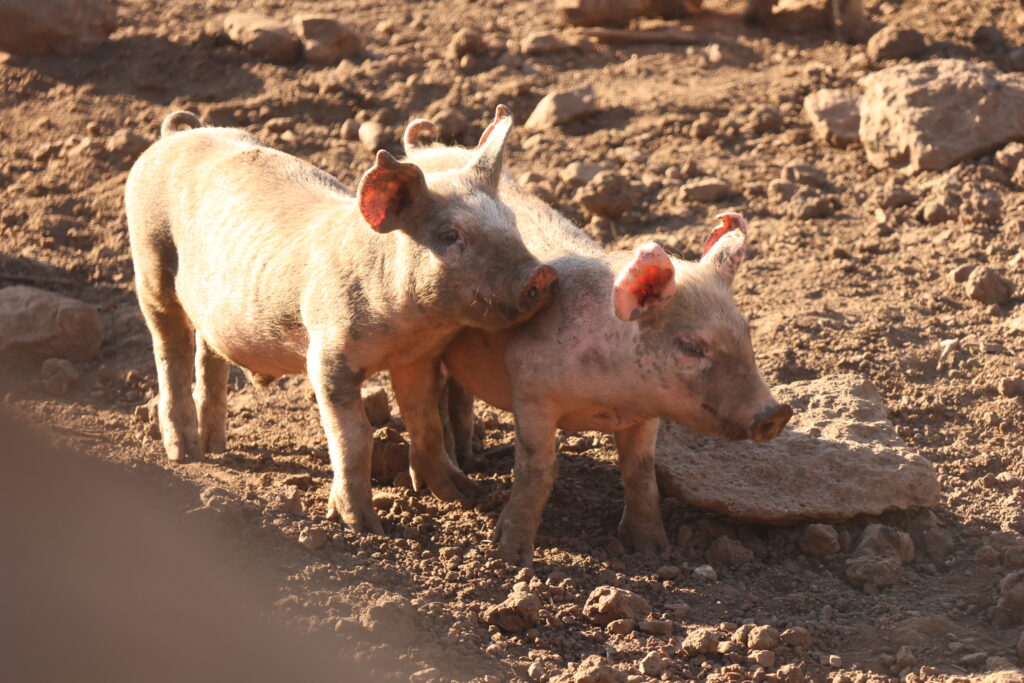
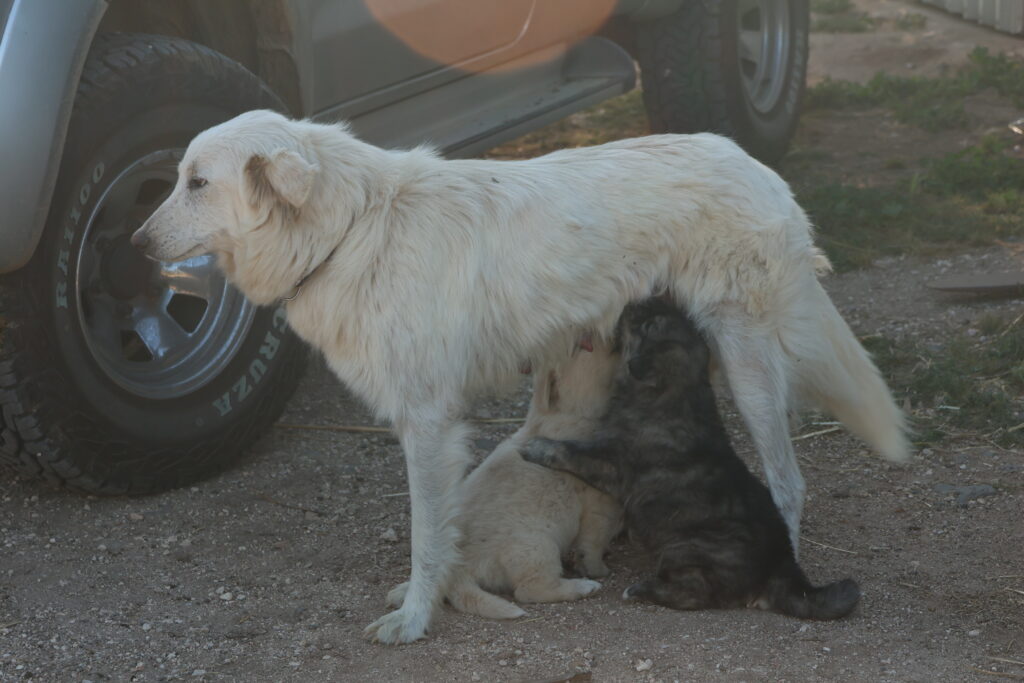
In the evening, Antonella gave us a little tour of her farm. We visited the sheep, who had just had a few lambs, then the pigs, two calves and a donkey. The female donkey is currently pregnant and is therefore on the farm; the other donkeys are out in one of the pastures. The highlight for the little one, however, was the two one-month-old puppies drinking milk from their mum. She was completely fascinated by them. After three nights, it was sadly time to set off again. Whilst we were packing the car, there was plenty of playtime with the toy car once more.
Costa Smeralda, Palau
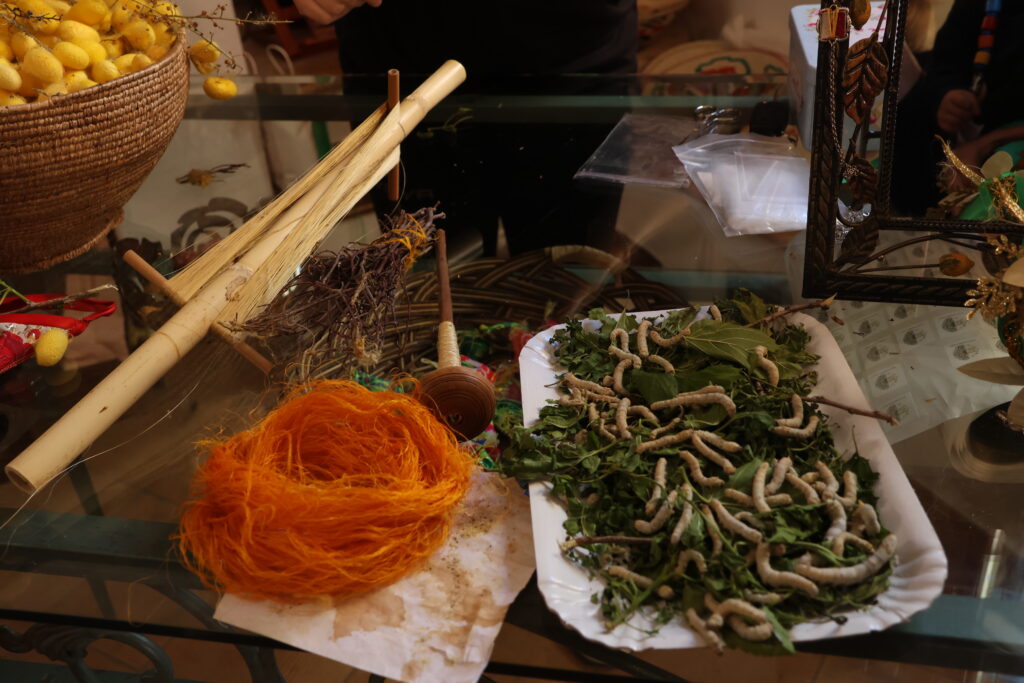
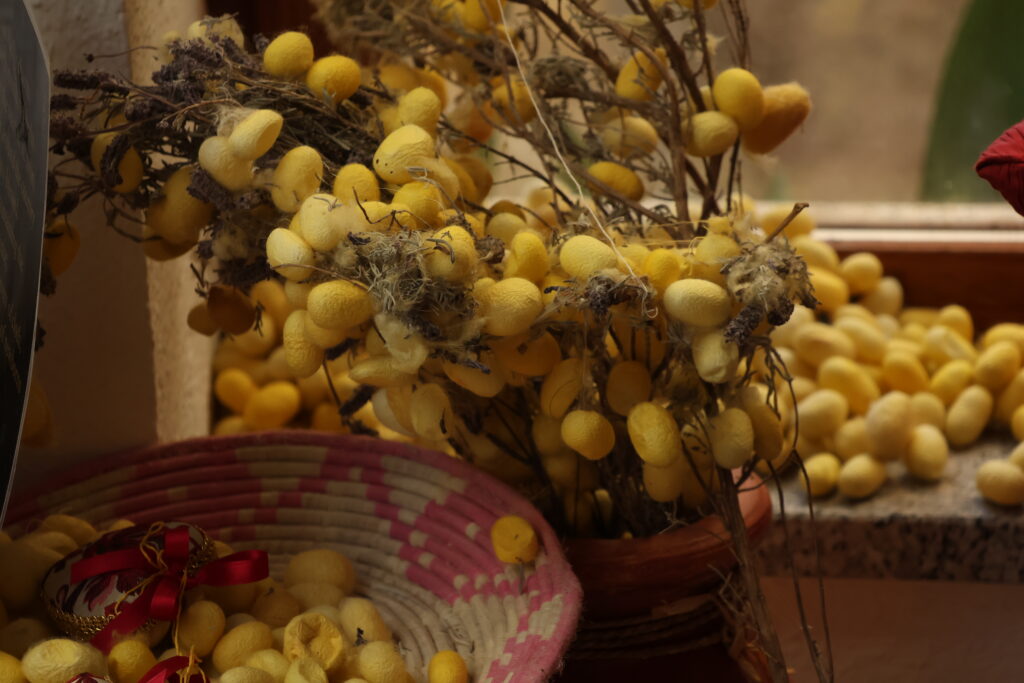
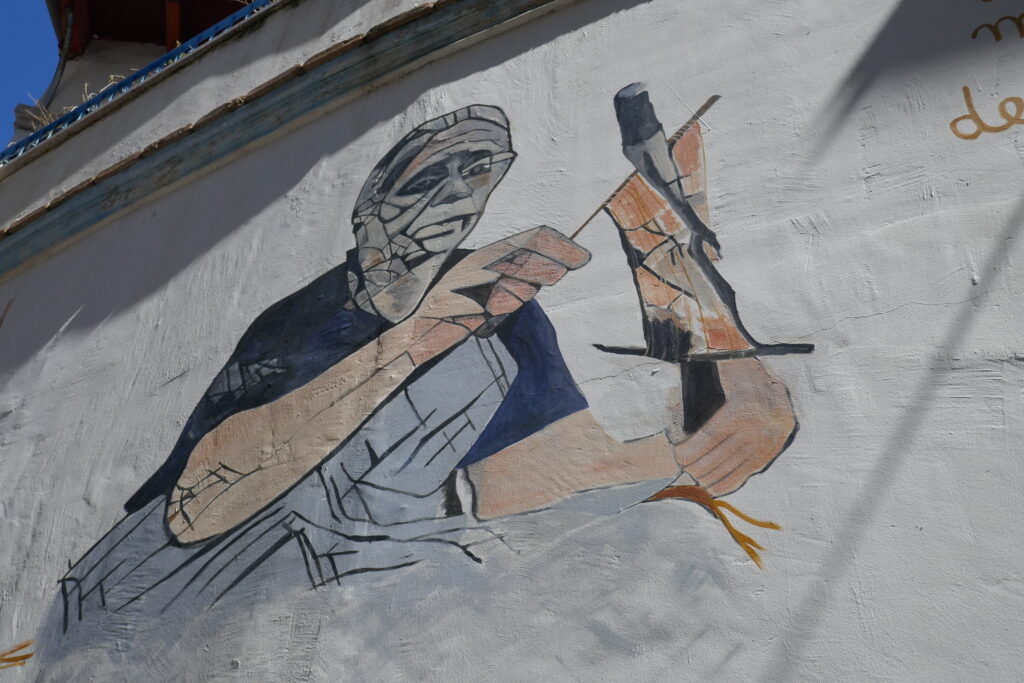
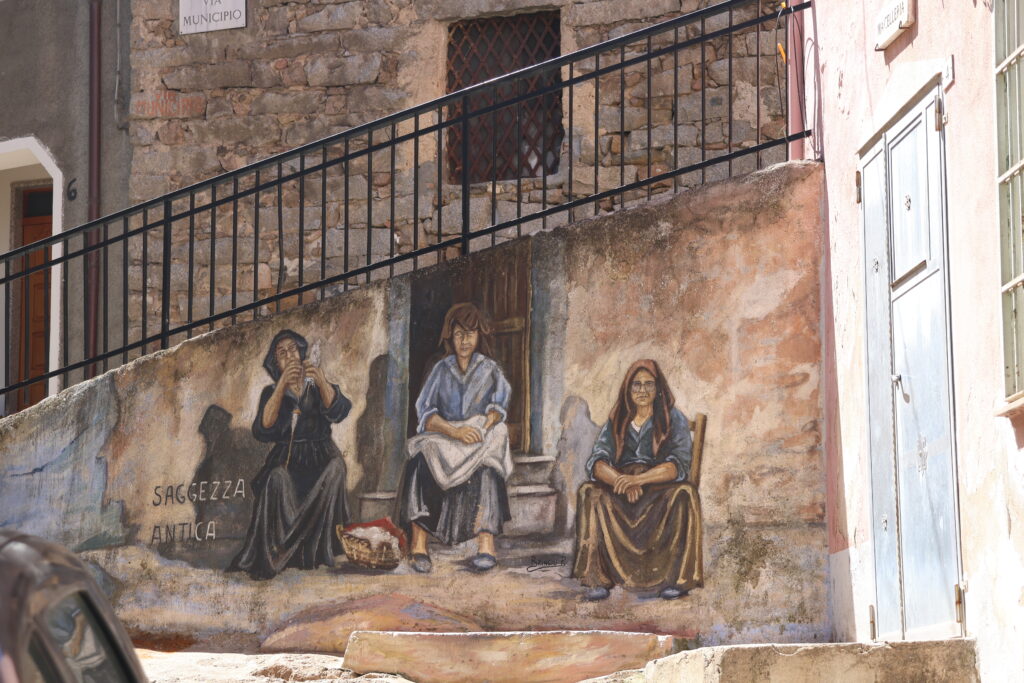
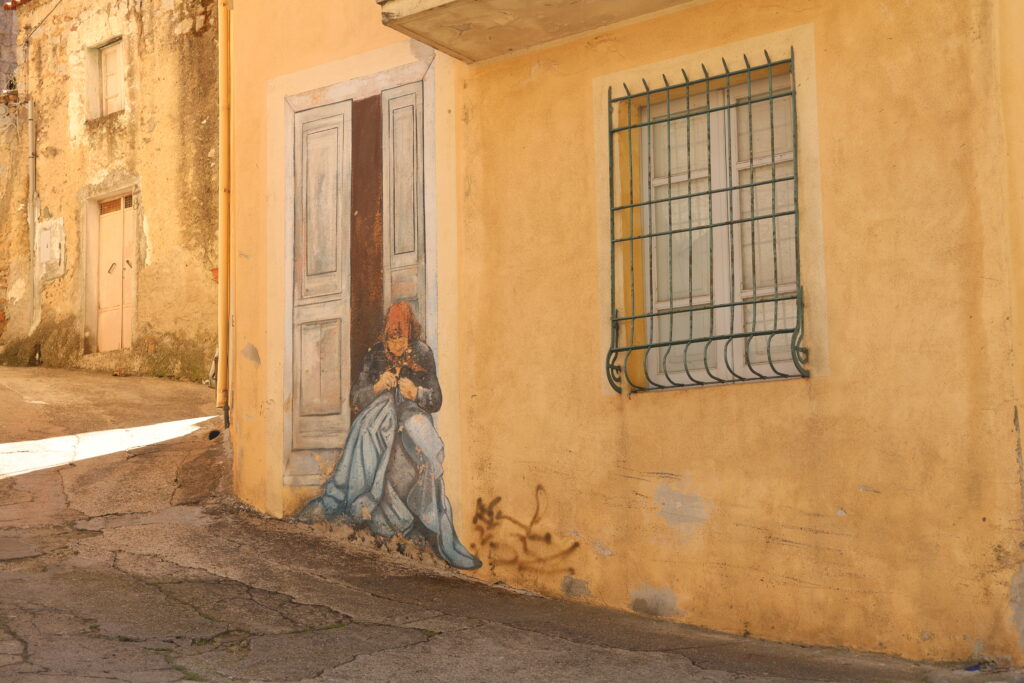
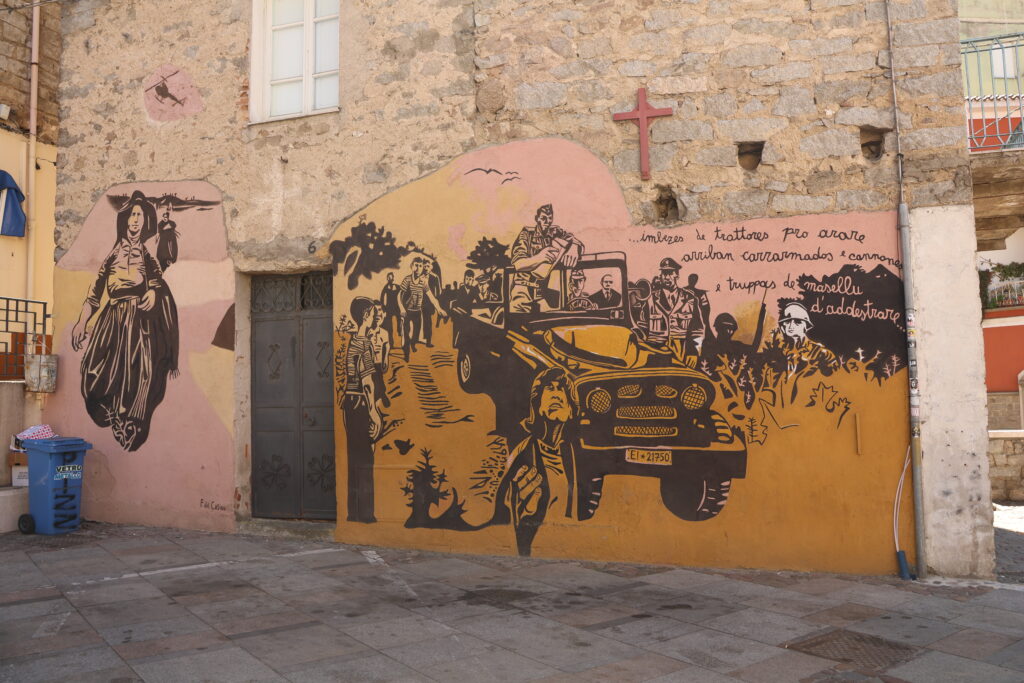
On our way to our final accommodation on the Costa Smeralda, we stopped off at a small mountain village called Orgosolo. It is best known for its many murals. These depict political themes relating to Orgosolo itself, as well as to the whole of Sardinia and the wider world. The simple life of shepherds and villagers is also depicted in some of the murales. Stylistically, many of the murales are inspired by Cubism, though there are also more realistic paintings among them. On our way to a small museum that Antonella had recommended to us, we spotted a few murales. The small museum showcases silk production, which used to be widespread in Sardinia. We were able to join a short guided tour with a school class. The museum still has live silkworm caterpillars. Afterwards, we strolled through the streets of Orgosolo for a while. Before continuing our journey, we stopped for an ice cream. In the late afternoon, we arrived at our accommodation in Palau. After unloading, we headed straight to the beach for a play.
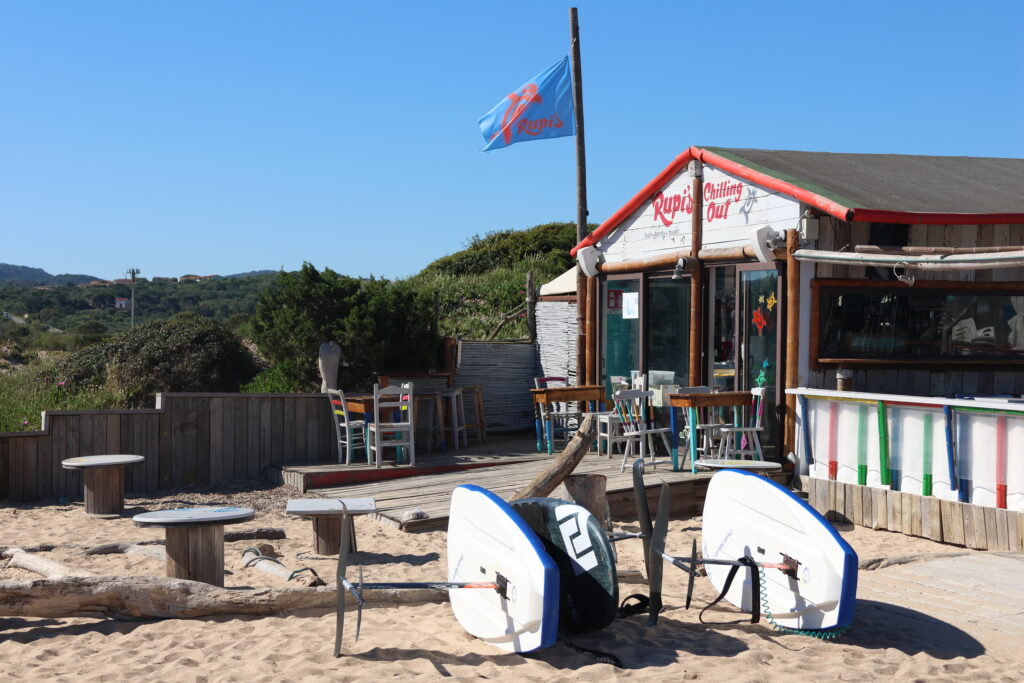
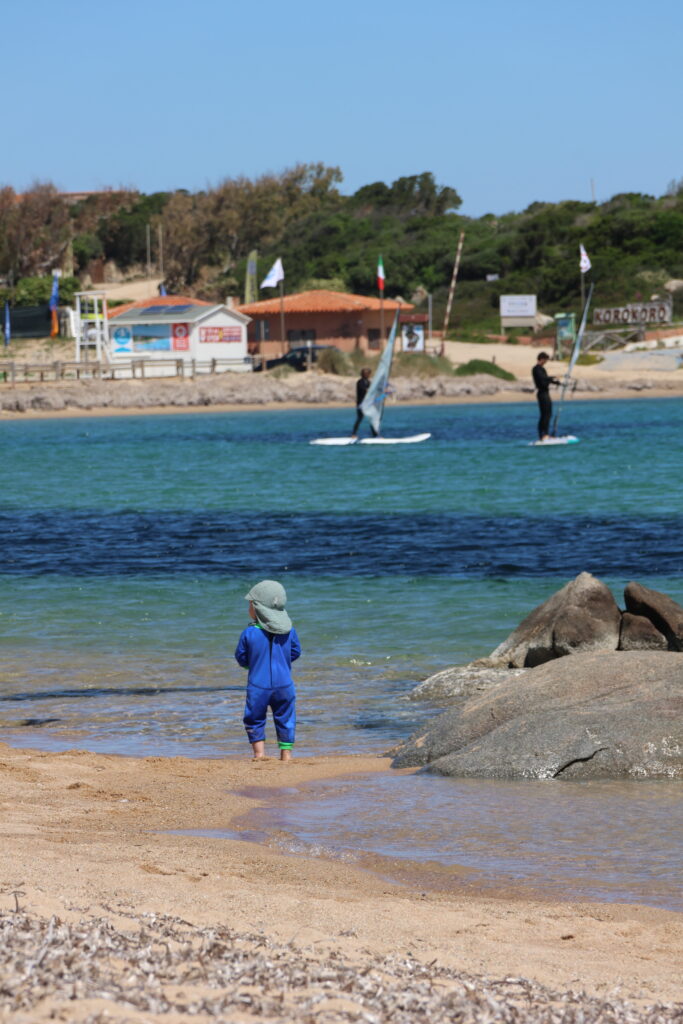
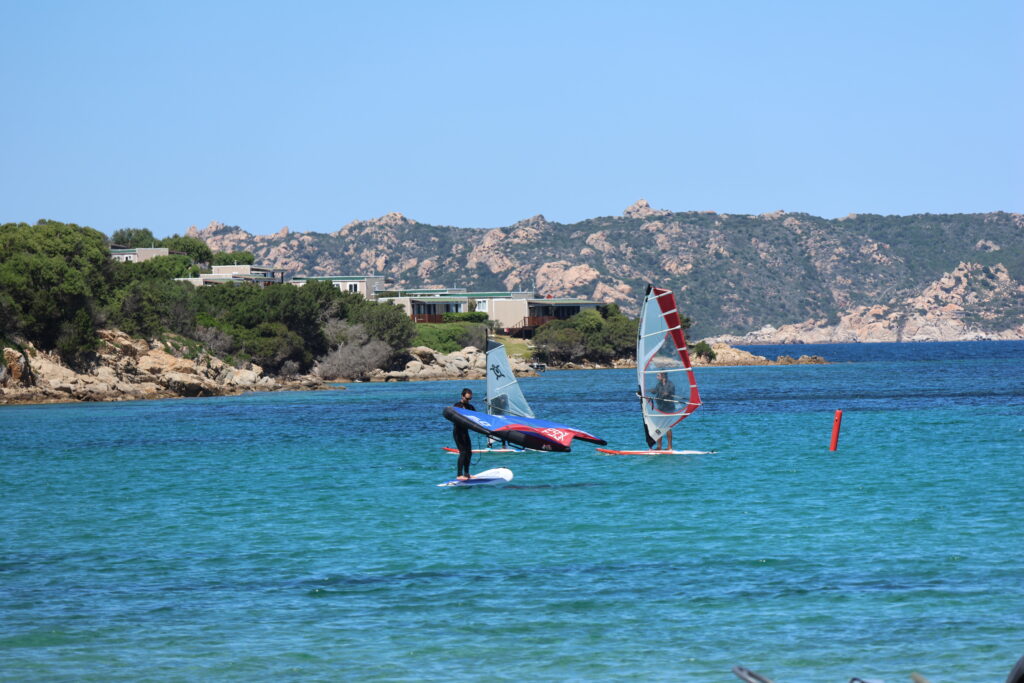
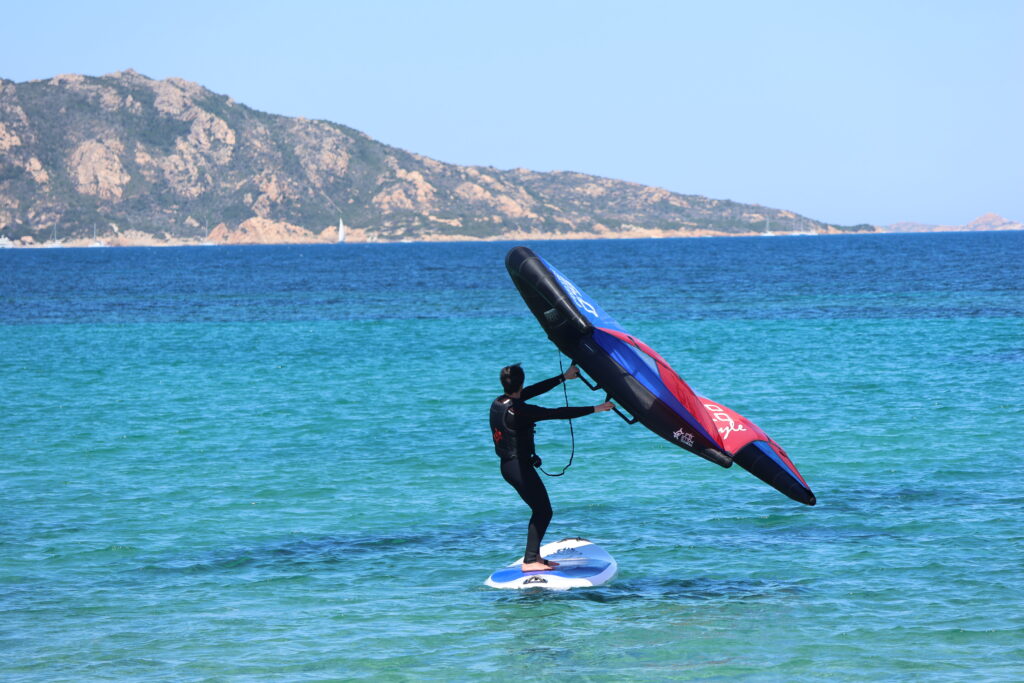
Our first outing was a drive to Porto Pollo, or rather to the beach and Isola dei Gabbiani. The island is connected to the mainland by a small causeway. To the right and left of this causeway there is a large bay with a sandy beach. The bays are popular with kitesurfers and windsurfers. As you might expect, there were also surf schools and beach cafés here. As a bit of a thermal breeze picked up, Marco was able to take a wing surfing lesson in the early afternoon and discovered a new hobby. Meanwhile, we played on the beach and by the water and had an afternoon nap. Marco came back very happy.
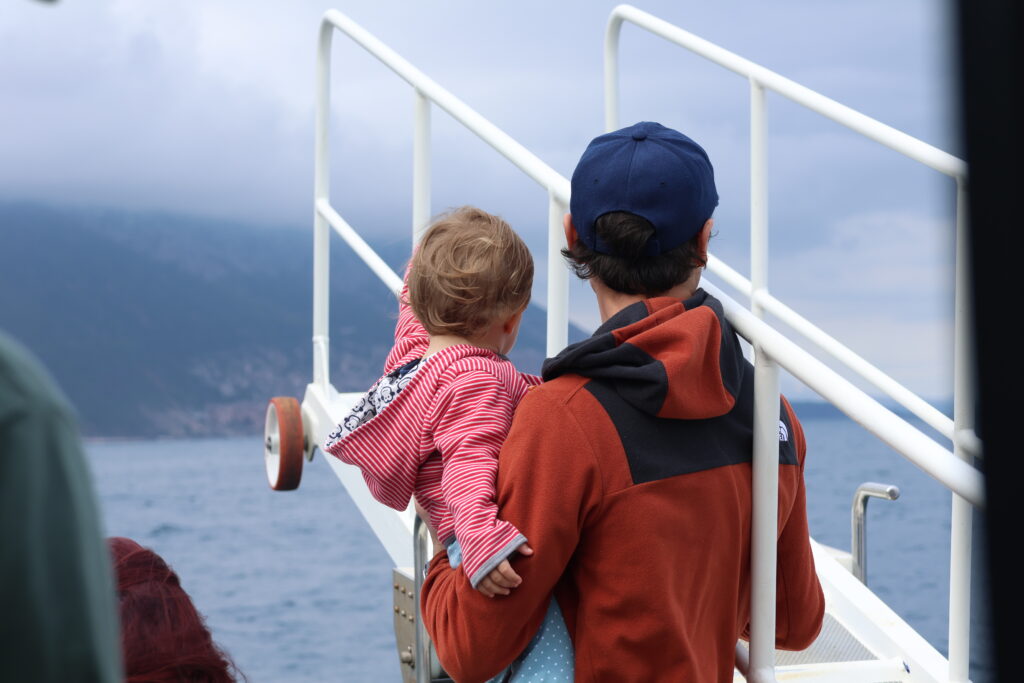
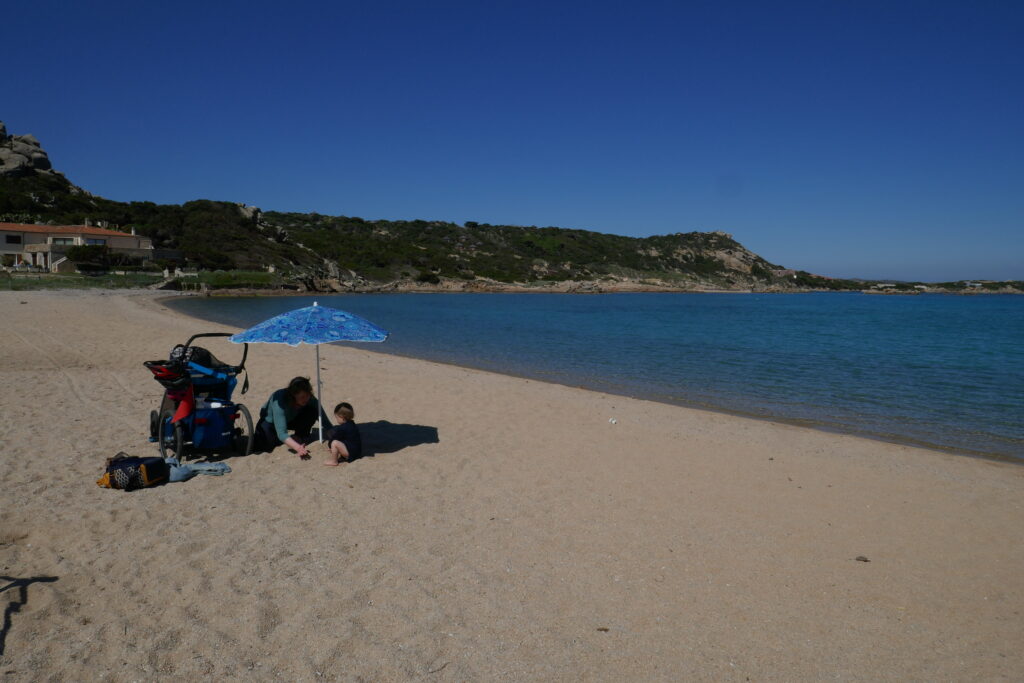
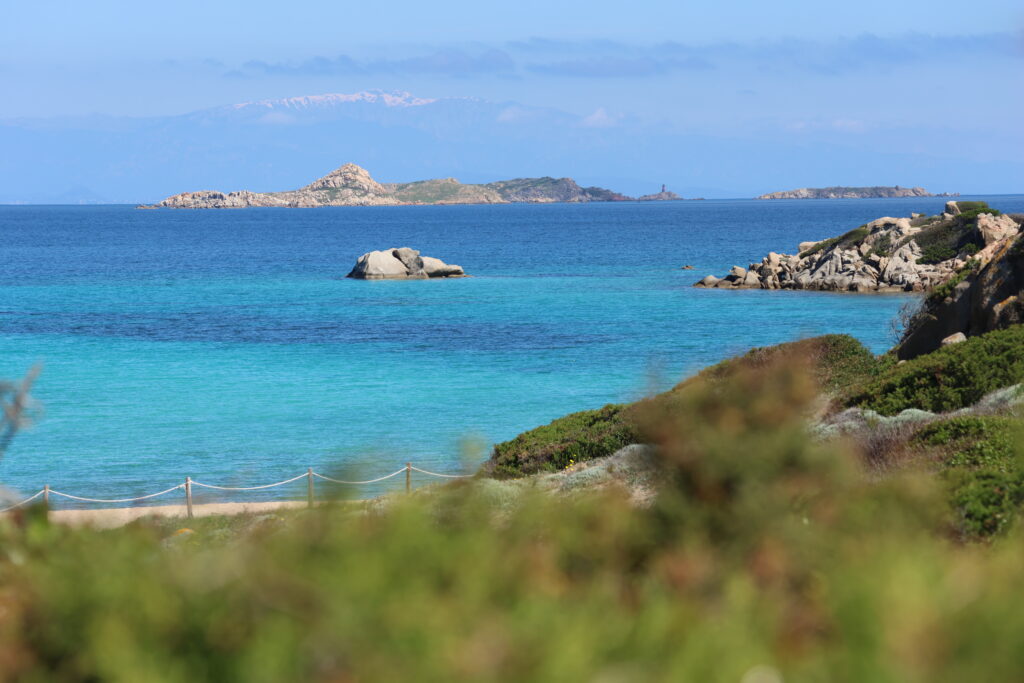
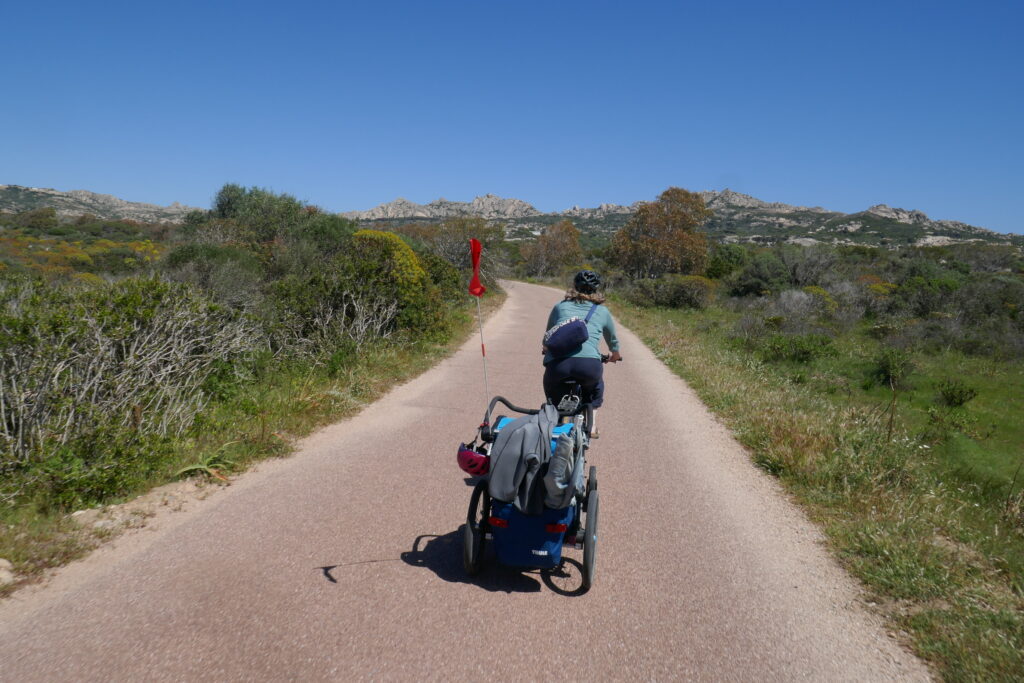
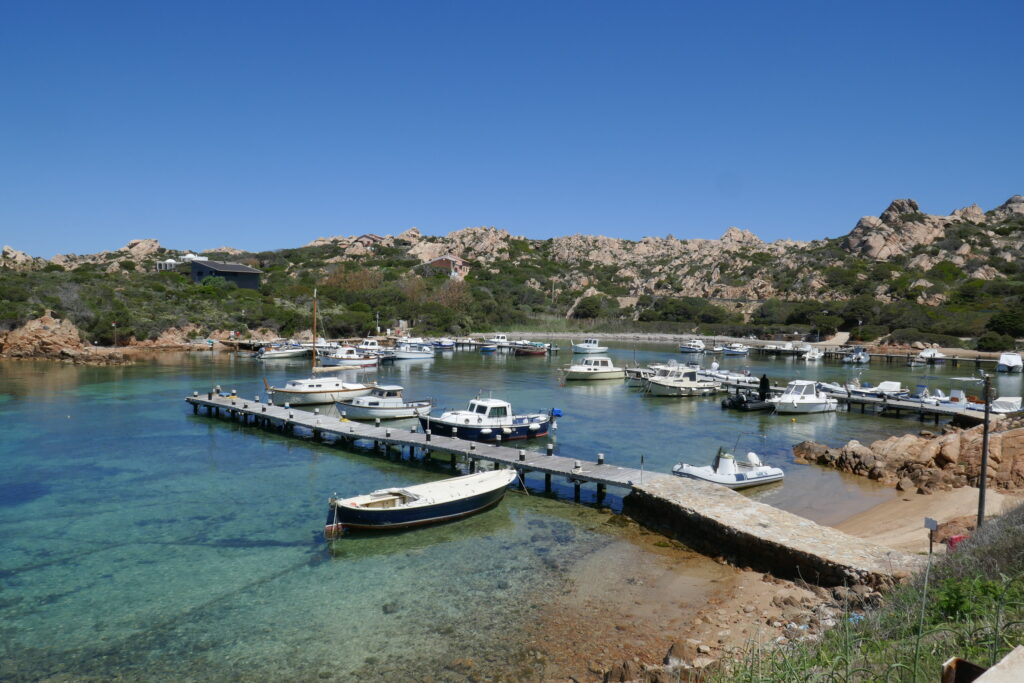
The next morning we got up early, packed the bikes and cycled to Palau to catch the ferry. We wanted to spend the day on Isola Maddalena and cycle all the way round it. The little one was absolutely delighted to finally be going on a boat again. From the boat in the harbour, you could even see little fish in the water. She was absolutely delighted. The crossing took just 15 minutes. In the little village, we first looked for a bar to have breakfast. The little one had a babycino and muesli, and we enjoyed a cappuccino and a brioche. We then set off on our bikes and, as soon as we left the village, the road started to climb quite steeply. From the road, we were treated to repeated stunning views of the turquoise water and the many coves. Our little one was starting to get a bit impatient, asking when we’d finally arrive at the beach and the Acqua. Marco had picked out Spiaggia Monti d’à Rena for us. At first, we were all alone on the beach. First, we put up the parasol and then had lunch. Afterwards, we dipped our feet in the water and played extensively in the sand. On the way back, the little caterpillar fell asleep straight away. We were back in the village much sooner than expected. As a little treat, we enjoyed a delicious ice cream in the shade. As the little one was still asleep, we decided to head over to the smaller island of Caprera after all. However, our little passenger woke up quite soon after we arrived, so we turned back. We then took the ferry back to Palau and cycled the last stretch home. It was a wonderful bike ride, though one I wouldn’t do during the peak season with all the cars on the road.
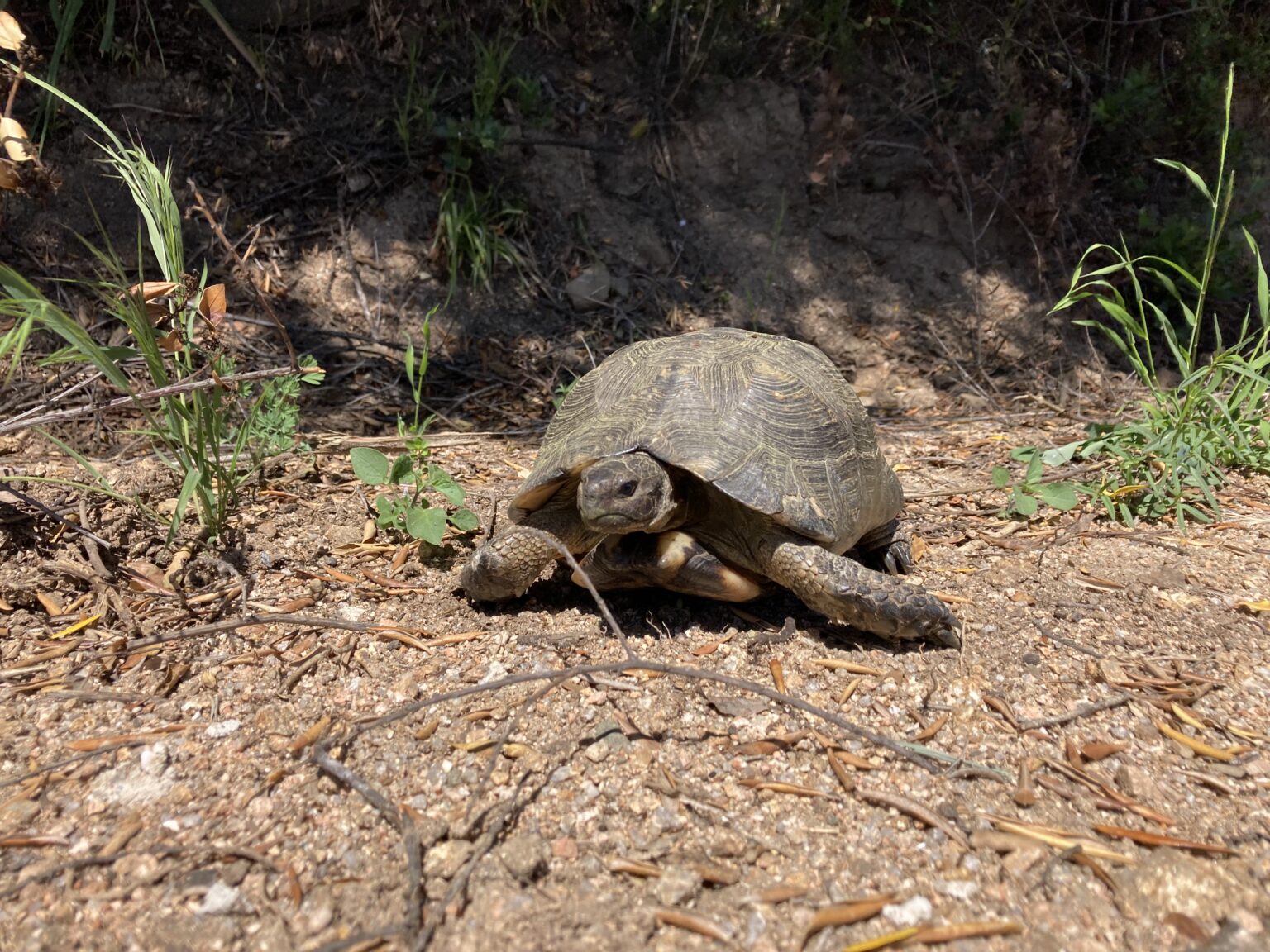
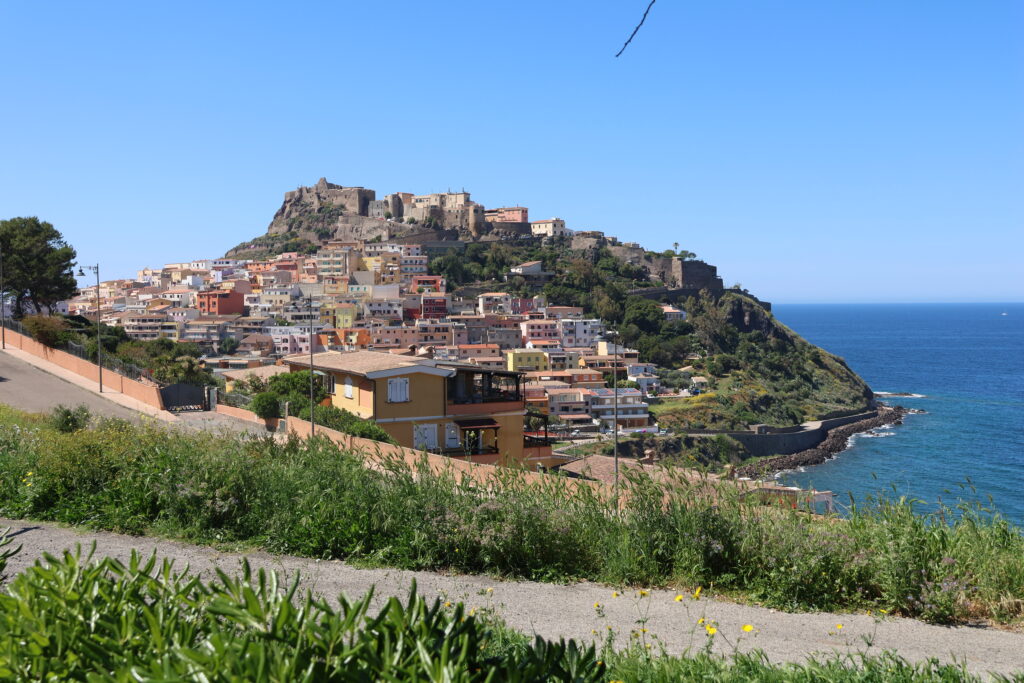
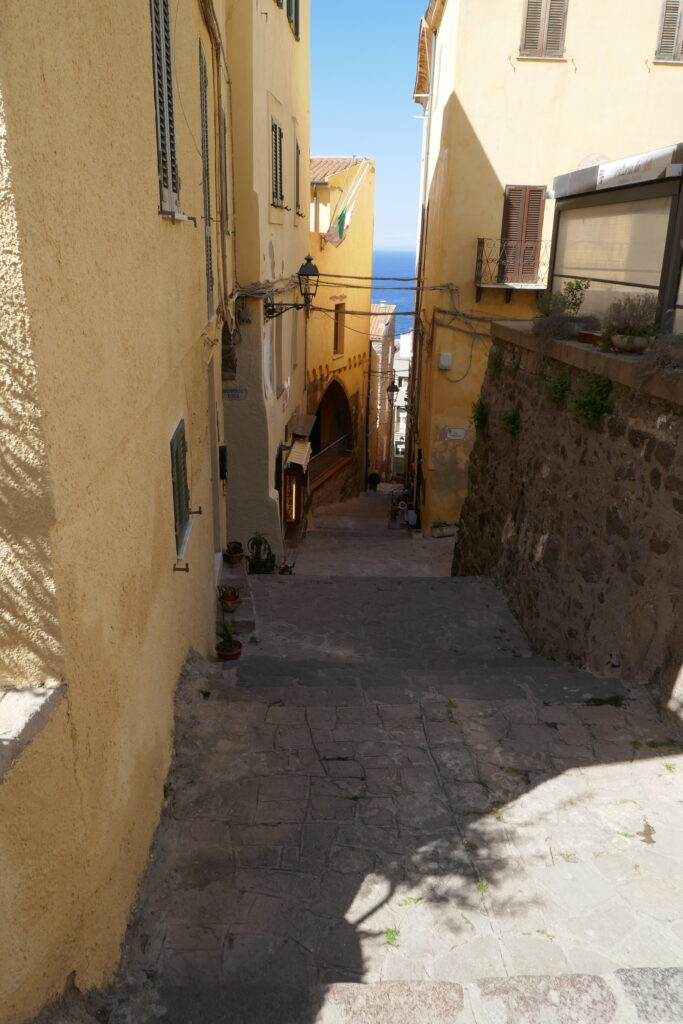
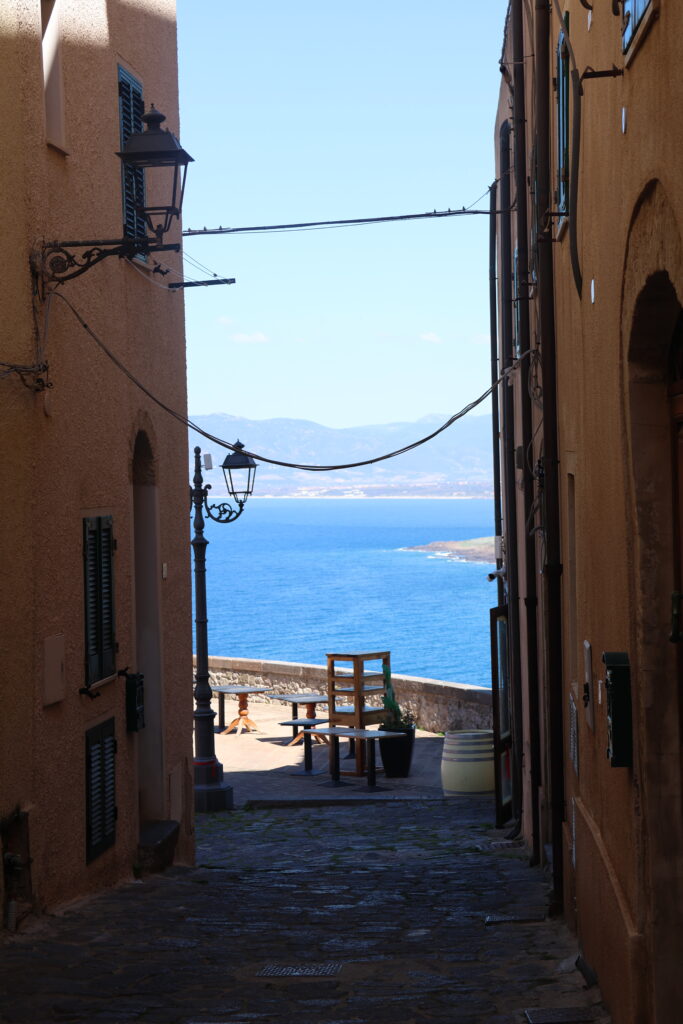
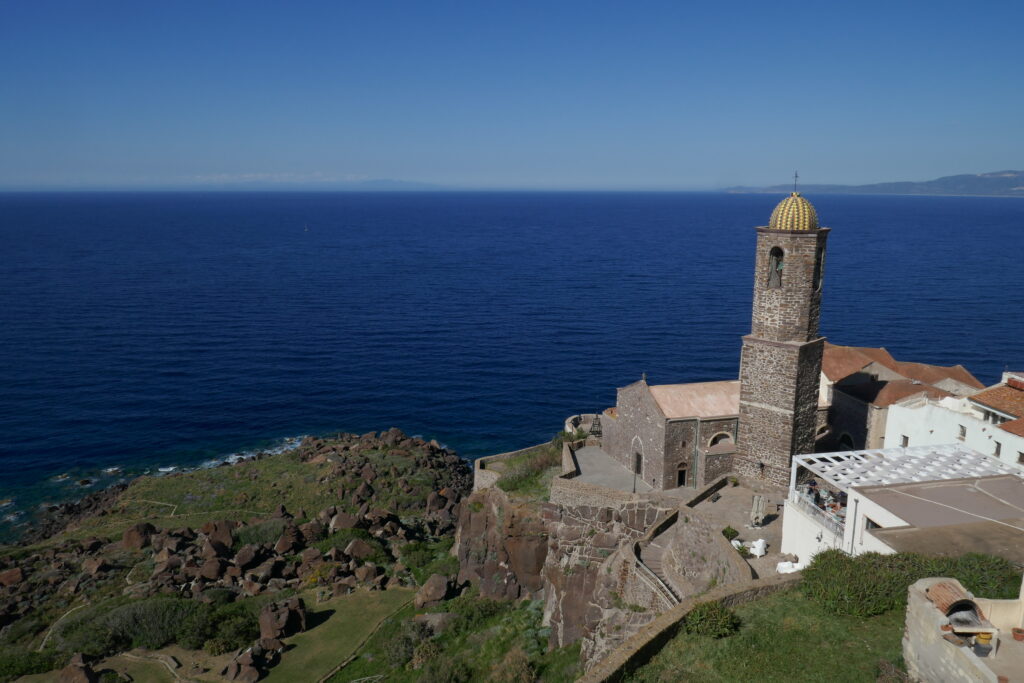
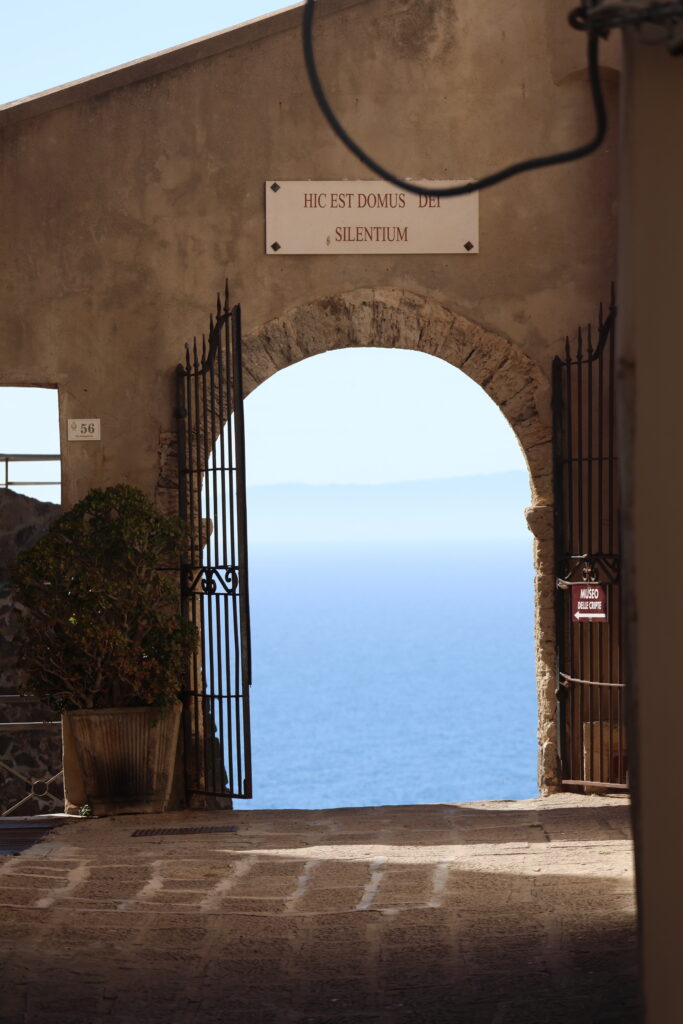
And just like that, our last day of our holiday in Sardinia had arrived. We packed our suitcases and rucksacks again, tidied everything up and loaded the car. Whilst Marco was loading the car, the little caterpillar and I played on the beach and in the water one last time. Even now, early in the morning, a cool breeze had picked up and was blowing steadily. The little caterpillar had her lunch on the beach so that she could sleep again during the drive. Before we really set off from Palau, we stopped for a coffee. As the ferry wasn’t leaving until this evening, we had time to see a bit more during the day. On the way to Porto Torres lies the little town of Castelsardo. The drive there was quite winding again, and in one bend a tortoise was sitting right in the middle of the road. Luckily, Marco managed to brake in time. We stopped at the next lay-by and quickly jumped out to move the tortoise from the road into the grass. Castelsardo was founded in 1102 by the Genoese Doria family. The Castello dei Doria, which dominates the town, stands on a short, rocky promontory. Thanks to the well-preserved city walls and the narrow, stepped alleyways, the town has retained its distinctive character. We climbed up to the castle and also visited the small museum inside. After that, we strolled through the many narrow, winding streets. It had a really lovely atmosphere.
Our little caterpillar is already practising taking photos
At 8.30 pm, our ferry set sail for Genoa. We had a wonderful, eventful time in Sardinia. We found the Sardinians to be incredibly friendly and enjoyed the delicious food, especially the wide variety of fine cheeses.